Retail and Shop Electrical Fit-Outs in Bristol: Lighting, Power, and Costs
A retail electrical fit-out in Bristol has one deadline that matters: opening day. Every week a unit sits dark is a week of rent with no takings, and on Gloucester Road or Park Street that can be £400 - £900 a week gone before you've sold anything. The electrical package usually accounts for 15-25% of a shop fit-out budget, and it's on the critical path - lighting, till power, and signage all have to be in and certified before shopfitting finishes around them. Bristol's independent retail scene adds its own wrinkle: a large share of the city's best trading pitches sit in Victorian and older buildings along Gloucester Road, Park Street, and the old city, where the existing installation often hasn't been touched in 30 years and a landlord's "power is connected" means one tired fuse board and a handful of sockets. Here's what a proper retail fit-out involves, what it costs, and where the money actually goes.
What a Shop Electrical Fit-Out Includes
The core package for a retail unit breaks into five parts: display and general lighting, small power (tills, card machines, back office, kitchen or staff area), dedicated circuits for anything with a serious load (refrigeration, coffee machines, heating), external signage supplies, and the emergency lighting and certification work that makes it all legal.
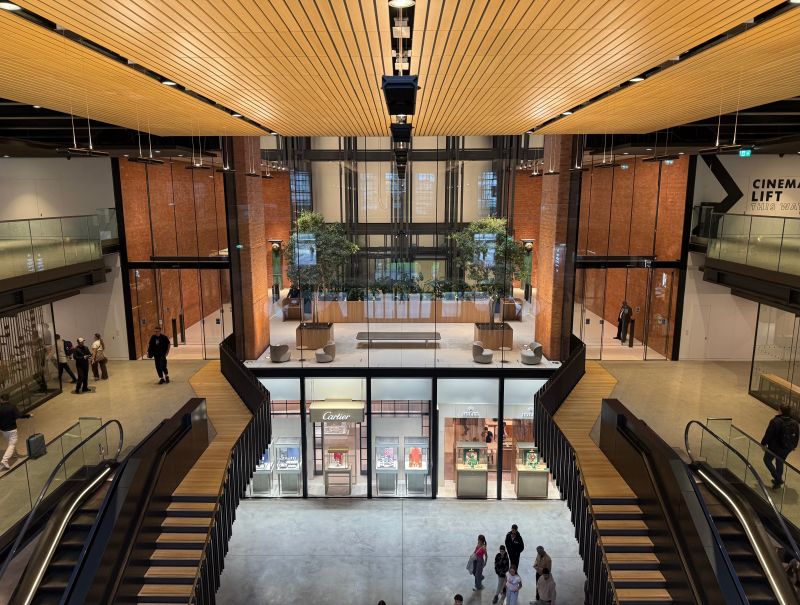
Lighting dominates the budget - typically 40-50% of the electrical spend in a retail fit-out, against 20-25% in an office. That's not gold-plating; it's the part of the installation that sells stock. Small power is more modest but has to be positioned precisely: a till point needs 4-6 outlets once you count the till, card terminal, receipt printer, and CCTV monitor, and moving a floor-mounted till point after the floor is laid is an expensive way to learn that lesson.
If you've just taken on a unit and want the wiring assessed before your shopfitter starts, Bristol Commercial Electricians surveys retail units across the city and will tell you straight whether the existing installation can carry your plans.
Display Lighting: Where Retail Fit-Outs Earn Their Money
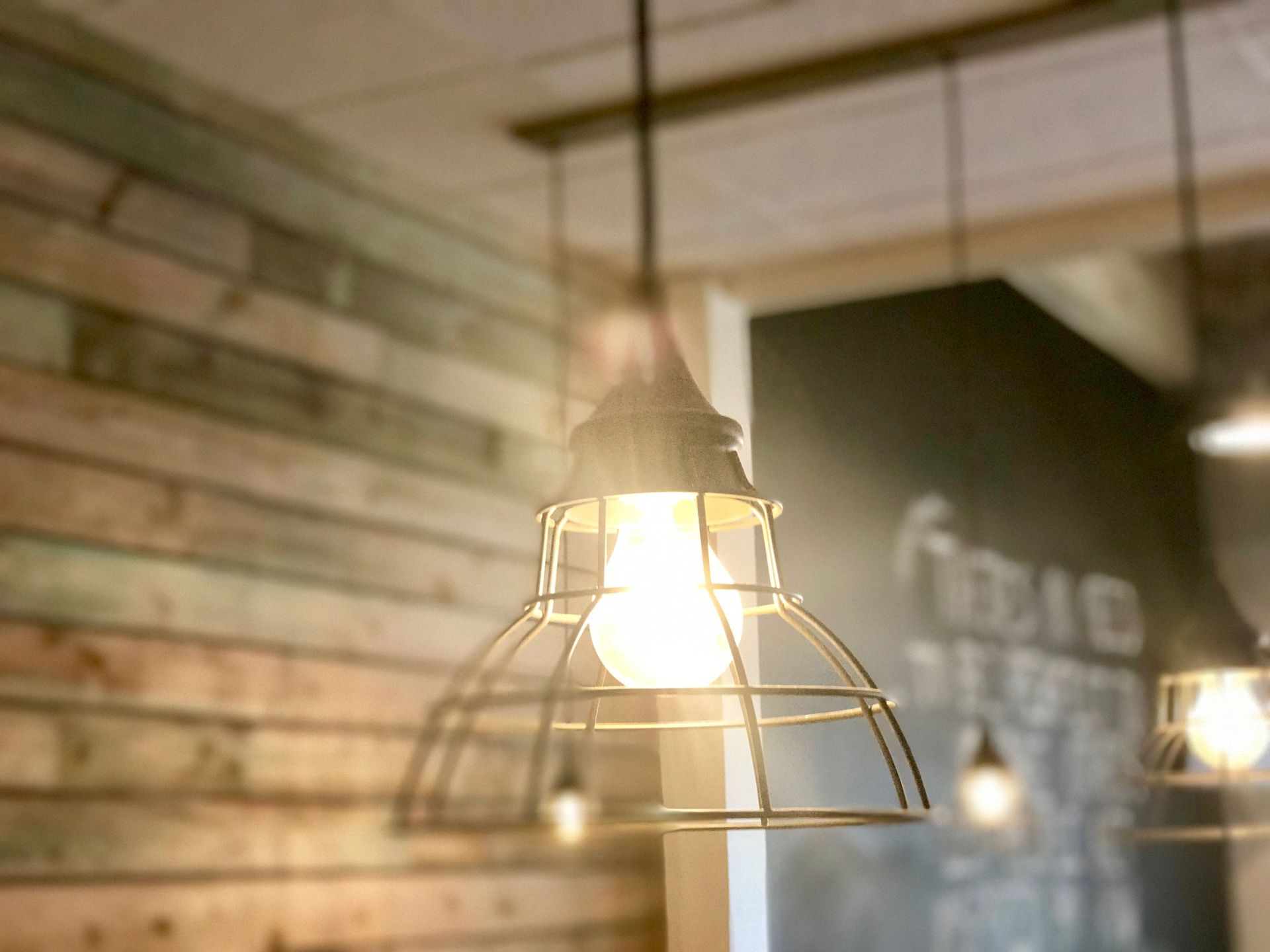
Retail lighting is a design job first and an electrical job second. The standard approach is layered: general ambient light at 300-500 lux across the shop floor, accent lighting on displays at 2-3 times that level to pull the eye, and feature lighting for windows - which on a dark November afternoon on Park Street is doing more selling than your window display is.
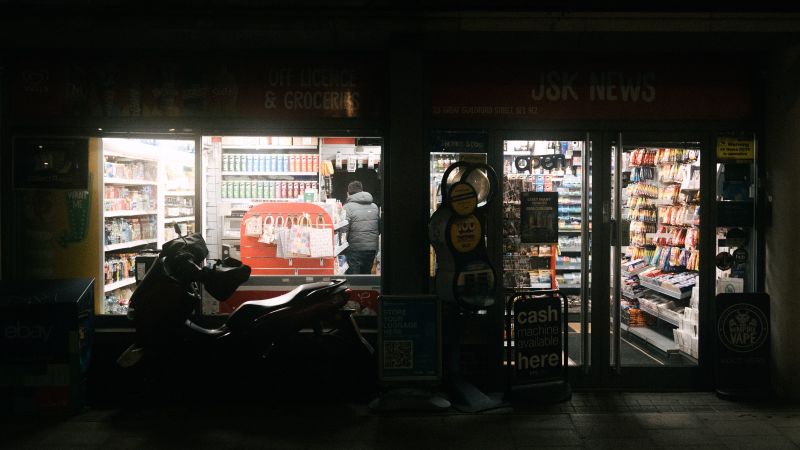
LED track lighting has become the default for independent retail because it's flexible - heads move when the merchandising does. Expect track and spots at £60 - £150 per fitting installed, and colour rendering matters more than most owners realise: fittings with a CRI above 90 make clothing, food, and homeware look right, while cheap 80 CRI fittings make everything slightly grey. The energy case is settled too - an LED scheme uses 50-60% less electricity than the halogen spots still burning in some older Bristol units, which for a lighting-heavy shop is often £1,000 - £2,500 a year.
Window and signage supplies
External signage needs its own switched, fused supply, usually on a timer or photocell - and it needs planning before the shopfront goes in, because retrofitting a supply through a finished fascia is miserable work. Illuminated signage on listed frontages in the old city may also need advertisement consent from Bristol City Council, so check before you order the sign, not after.
Power for Tills, Refrigeration, and Food Retail
General retail runs happily on standard 13A circuits, but food retail changes the arithmetic quickly. Commercial refrigeration, a coffee machine, and a small kitchen can push a unit past what a single-phase supply delivers - a serious espresso machine alone draws 4-6kW. Plenty of Bristol cafe and deli fit-outs stall at exactly this point, discovering mid-project that they need a three-phase upgrade with an 8-16 week DNO lead time.
The fix is boring and effective: add up your equipment loads from the spec sheets before you sign the lease, and get the incoming supply confirmed in writing. Refrigeration should always sit on dedicated circuits - you do not want a tripped ring main on a Friday night to cost you a cabinet of stock. We've covered when a supply upgrade is needed in more detail in our guide to three-phase power for Bristol businesses, which is worth reading before you commit to a food retail unit.
Older Units: Gloucester Road, Park Street, and the Old City
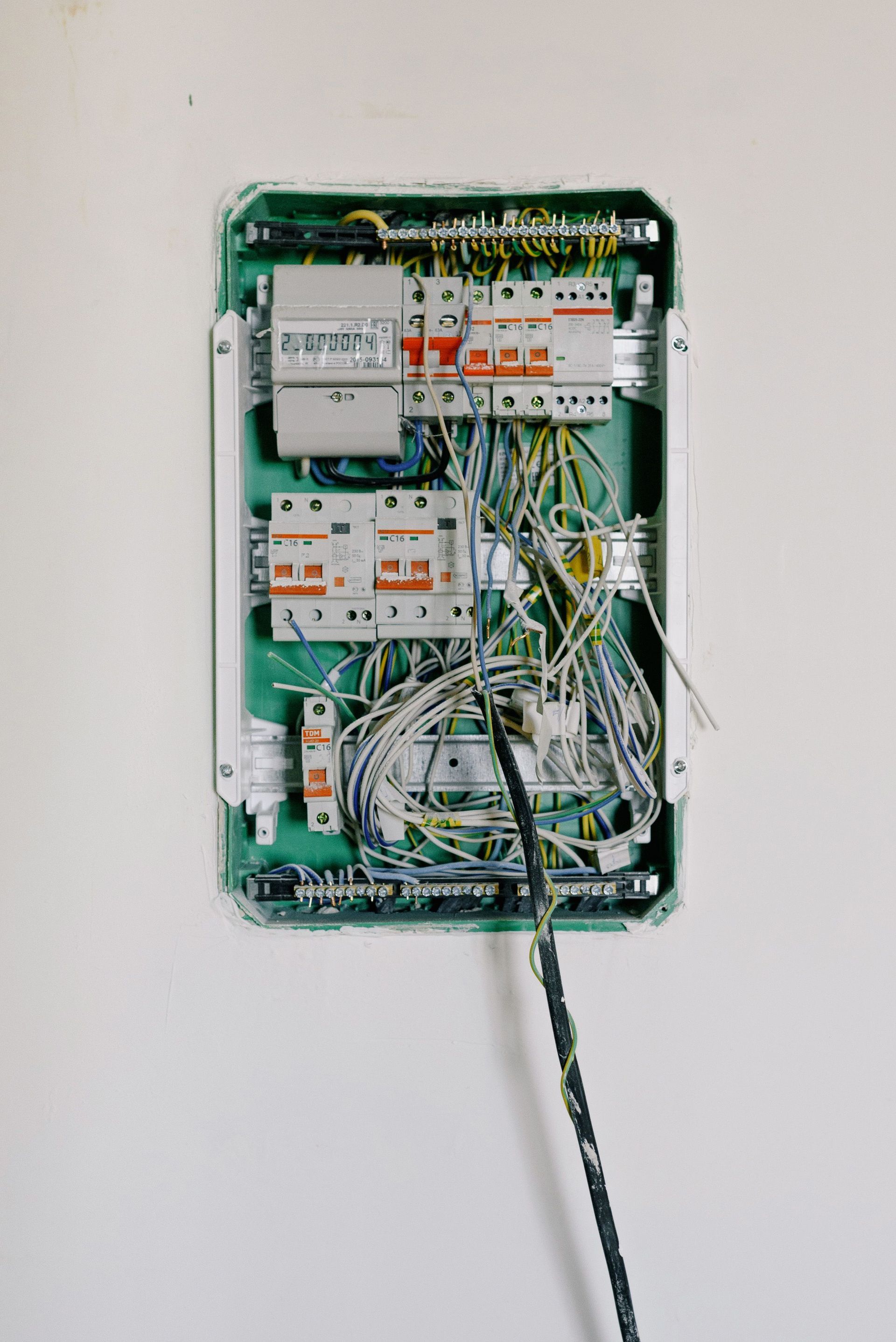
Bristol's independent retail strength is also its electrical weakness. Gloucester Road claims one of the longest runs of independent shops in the UK, and most of those units are Victorian, with electrical installations layered up over decades of previous tenants. The pattern we find on surveys is consistent: an ageing fuse board, circuits added ad hoc, no RCD protection, and no paperwork.
Two practical consequences. First, budget for remedial work - it's common for 20-40% of a fit-out's electrical cost in an older unit to go on bringing the existing installation up to standard before the new work starts. An EICR at lease negotiation stage tells you this number before it's your problem; without one, it becomes your problem at the worst possible time. Second, listed and conservation-area frontages (much of Park Street and the old city) restrict how signage and external fittings can be mounted, which affects both design and programme.
Compliance: What the Law Requires Before You Open
All fit-out work must comply with BS 7671, the IET Wiring Regulations, and you should hold an Electrical Installation Certificate for the new work before trading. Emergency lighting to BS 5266 is required on escape routes even in small shops - a handful of fittings, £300 - £800 installed, and a certificate.

Once open, you carry ongoing duties under the Electricity at Work Regulations 1989 - the HSE's guidance on electrical safety in the workplace is the plain-English reference for what a shop owner is responsible for. Insurers increasingly ask for a current EICR (every 5 years for retail premises) and evidence of certified fit-out work before paying claims. Using a contractor registered with NICEIC closes that loop - registered firms are assessed against the regulations and their certificates are recognised by landlords and insurers without argument.
What a Retail Electrical Fit-Out Costs in Bristol
Current Bristol ranges, based on unit size and specification:
Small independent unit (under 1,000 sq ft, standard retail): £4,000 - £10,000.
Medium unit or lighting-led fit-out (1,000 - 2,500 sq ft): £10,000 - £25,000.
Food retail, cafe, or deli fit-out (refrigeration, kitchen circuits, possible supply upgrade): £15,000 - £40,000+.
Remedial work on an older unit's existing installation: commonly £2,000 - £8,000 on top.
Emergency lighting for a small shop: £300 - £800.
Programme is the other cost. Good commercial electricians across Bristol and the wider South West are booking 4-8 weeks out - the trade has carried a well-documented shortage of qualified electricians for years, and it bites hardest on small, deadline-driven jobs like shop fit-outs. Book the electrical package when you sign the lease, not when the shopfitter asks who's doing first fix.
Sequencing the Work Around Your Opening Date
Electrical work in a retail fit-out happens in two visits: first fix (cabling, containment, back boxes) before walls and ceilings close up, and second fix (fittings, accessories, boards) once decoration is done, finishing with testing and certification. For a small unit that's typically 1-2 weeks of electrical time inside a 4-8 week fit-out; get the sequencing wrong and it stretches.
The trap is treating certification as a formality. Testing a fit-out properly takes a day or more, and no responsible electrician signs an EIC for work they can't verify - so leaving it to the afternoon before launch is how opening dates slip. Build the test and certification day into the programme a week clear of opening, and the paperwork becomes a non-event instead of a crisis.
---
FAQ
Q: How much does a shop electrical fit-out cost in Bristol?
A: A small independent unit under 1,000 sq ft typically costs £4,000 - £10,000, a medium or lighting-led fit-out £10,000 - £25,000, and food retail with refrigeration and kitchen circuits £15,000 - £40,000+. Older units often need £2,000 - £8,000 of remedial work on top.
Q: How long does the electrical work take on a shop fit-out?
A: Usually 1-2 weeks of electrical time within a 4-8 week fit-out, split between first fix and second fix. A three-phase supply upgrade, if needed for food retail, adds 8-16 weeks of DNO lead time, so check the supply before signing the lease.
Q: Do I need an electrical certificate before opening my shop?
A: Yes. All new work must be certified to BS 7671 with an Electrical Installation Certificate, and escape routes need emergency lighting to BS 5266. Insurers and landlords will expect this paperwork, along with a current EICR (every 5 years for retail).
Q: The unit I'm leasing is an older building on Gloucester Road - what should I check?
A: Get an EICR done at lease negotiation stage. Victorian retail units commonly have ageing fuse boards, ad hoc circuits, and no RCD protection, and 20-40% of fit-out electrical budgets in older units go on remedial work. Knowing the number before you sign gives you negotiating room.
---
Ready to work with Bristol Commercial Electricians?
Let's connect! We’re here to help.
Send us a message and we’ll be in touch.
Or give us a call today at 0117 427 8971
Agency Contact Form
More Marketing Tips, Tricks & Tools



EICR Certificates for Bristol Commercial Properties: What Landlords and Business Owners Need to Know