Data Cabling and Network Infrastructure for Bristol Commercial Properties
Slow or unreliable office internet is almost never a broadband problem. It's usually a cabling problem - Cat5e runs from 2005 that were installed when streaming didn't exist, patch panels with a decade of accumulated connections and disconnections, or a Wi-Fi system trying to compensate for infrastructure that was never designed for the load it's now carrying. Getting the physical layer right is the fix that actually works.
What Structured Data Cabling Involves
Structured cabling is an organised approach to network infrastructure that separates cable runs, termination points, and distribution equipment into defined layers. The alternative - cable runs added as needed, routers moved around, sockets in random locations - is how most small Bristol offices end up: functional until it isn't, and hard to diagnose when something fails.

A structured installation has:
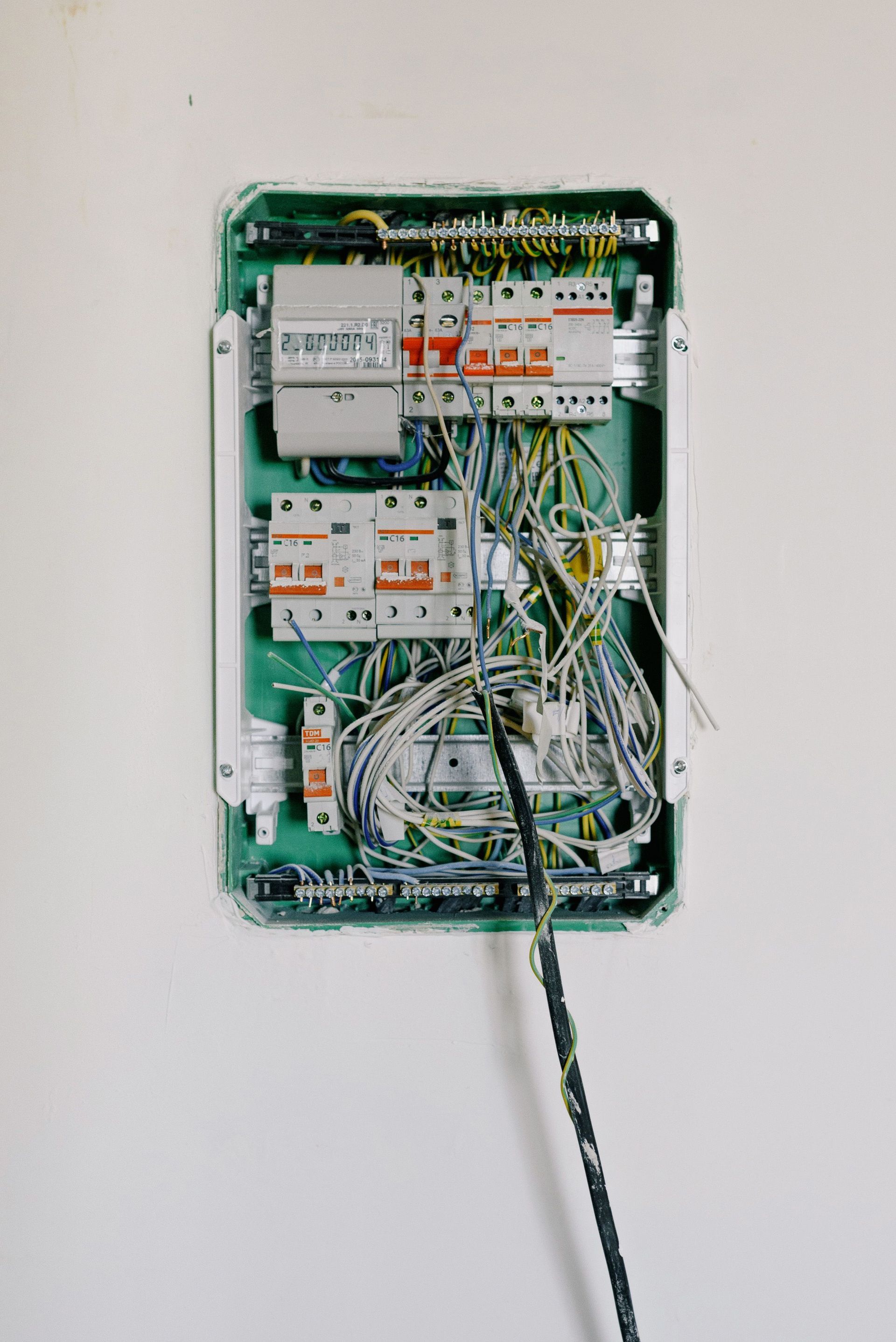
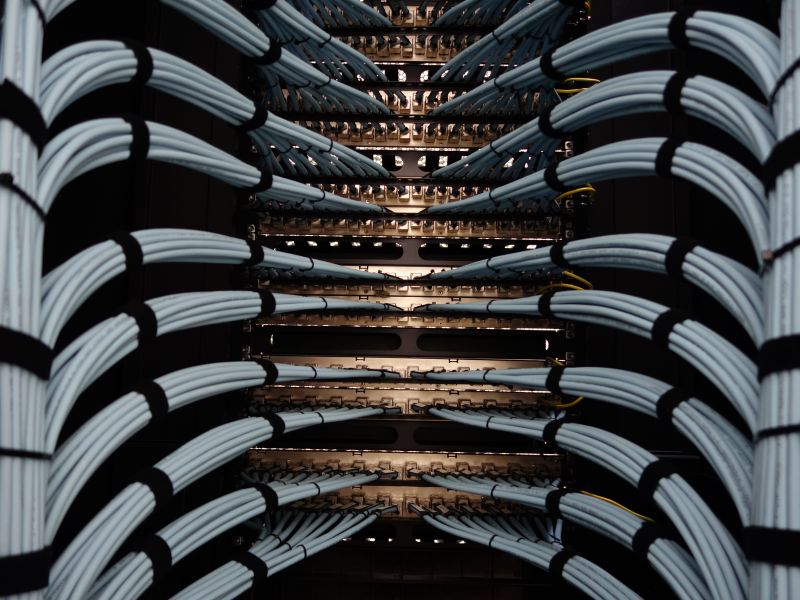
A main distribution frame (MDF) or comms cabinet - a central rack where incoming connectivity (broadband or leased line) is terminated and distributed. Usually a wall-mounted cabinet with patch panels, switch, and power.
Horizontal cable runs - individual cable runs from the cabinet to each data socket position. These run above ceiling tiles, under raised floors, or through conduit depending on the building.
Data sockets - RJ45 wall sockets at desk level or floor boxes. Each socket is on its own home-run cable back to the patch panel, meaning one faulty cable doesn't affect others.
Patch cables - short cables from the patch panel to the network switch, and from sockets to devices. These are the only connections that get regularly moved.
Cat6 vs Cat6A vs Fibre: What Actually Matters for a Bristol Office
Cat5e is the old standard. Still functional at 1Gbps over typical office distances, but it won't support 10Gbps and is close to end-of-life for new installations. If you're currently on Cat5e, it's worth replacing when you next do significant network work.
Cat6 supports 1Gbps reliably and 10Gbps over shorter runs (up to about 37m). This is the sensible minimum for any new installation in a Bristol office - the cable cost difference between Cat5e and Cat6 is small, and the upgrade cost later is much larger.
Cat6A supports 10Gbps at full 100m run length. Worth specifying if your runs are long or if you're planning for higher bandwidth needs over the next ten years. Thicker cable, harder to install, noticeably more expensive.
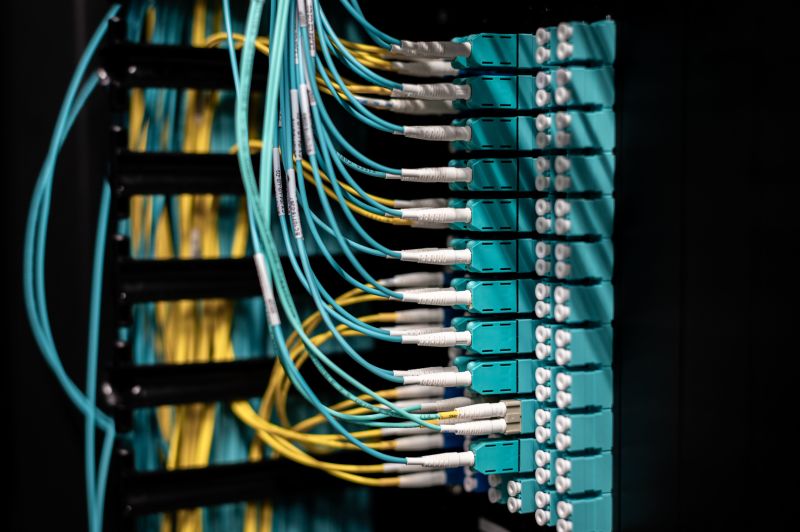
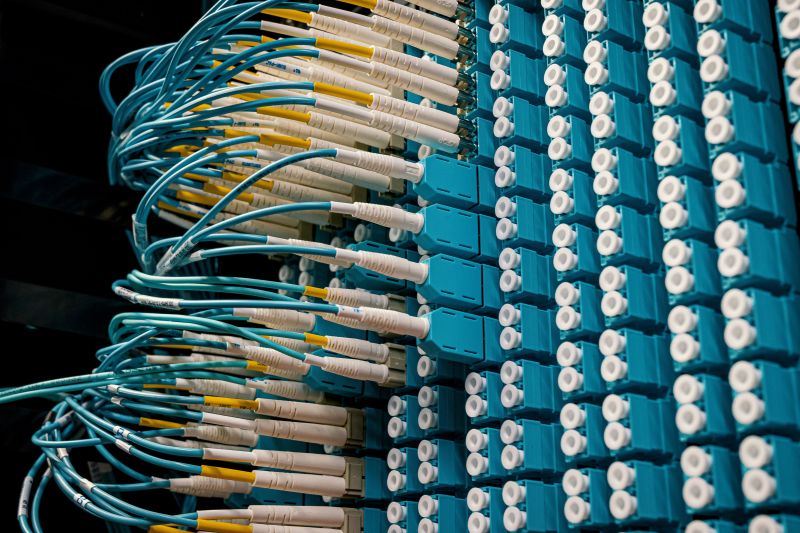
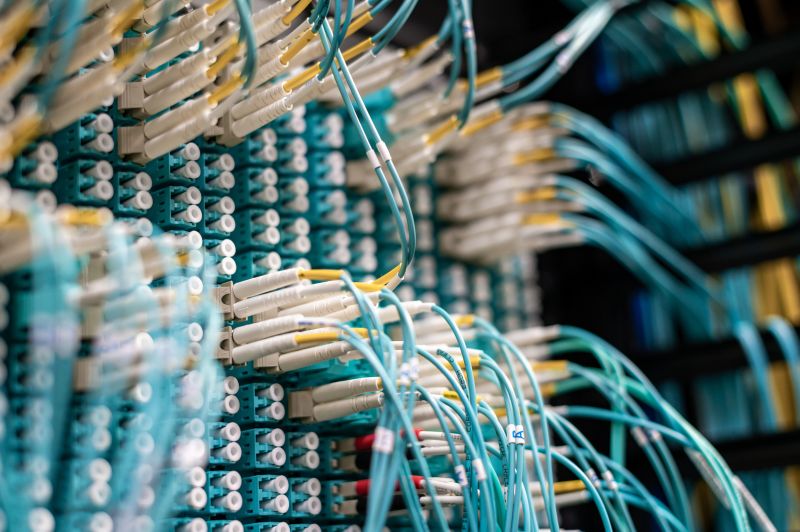
Fibre is appropriate for building-to-building connections, longer runs between floors in a multi-storey building, or connecting a comms cabinet to a remote distribution point. Fibre doesn't replace copper at the desk level - you'd still need copper from the cabinet to each socket.
Bristol Commercial Electricians installs structured data cabling across Bristol commercial premises and handles the full scope - survey, design, installation, and testing with a cable certifier to produce a pass certificate for each run.
Certification and Testing
Every cable run in a properly installed system should be tested and certified with a cable certifier. The certifier measures performance at each run and produces a pass or fail report. This matters because a cable that looks fine visually can have a near-end crosstalk or attenuation problem that causes intermittent issues under load. A pass certificate is also useful documentation if you ever sell the premises or deal with a warranty claim.
What Data Cabling Costs for Bristol Commercial Properties
New installation, small office (up to 10 data points): £800-£1,500 including cable runs, sockets, patch panel, and certification.
Medium office (10-30 data points): £1,500-£3,500.
Comms cabinet installation (wall-mounted, pre-wired): £300-£700.
Cat5e to Cat6 upgrade, per socket: £60-£120 depending on run difficulty.
Fibre backbone between floors or buildings (per run): £200-£600 per run depending on distance and termination type.
FAQ
Q: How do I know if my Bristol office cabling needs replacing?
Symptoms include intermittent connection drops that resolve on their own, speeds significantly below what your broadband package should provide, or connections that are fine on Wi-Fi but slow when plugged in. Cat5e installations over 15 years old should be assessed if you're planning significant network changes.
Q: Can data cabling be installed without disturbing my Bristol office?
New cable runs always involve some disruption - above ceiling tiles, through walls, or under raised floors. A good installation minimises this through proper planning. Most Bristol office installations are done in phases or outside working hours.
Q: Do I need Cat6A for a Bristol office?
For most offices, Cat6 is sufficient. Cat6A makes sense for longer runs or where you're planning for 10Gbps bandwidth in the coming years. The price difference is significant enough that it's worth having a specific reason to specify Cat6A rather than doing it by default.
Q: What's a patch panel and do I need one?
A patch panel is a termination board in your comms cabinet where all the incoming cable runs terminate. It lets you connect any run to any port on your network switch using short patch cables. It's not strictly required for very small installations, but it makes any future changes much easier and protects the cable runs from repeated plugging and unplugging.
Q: Who is responsible for data cabling in a leased Bristol office?
Usually the tenant for internal installations, though it's worth checking your lease. Structural work (running cables through fire-rated walls or floors) may need landlord consent.
Ready to work with Bristol Commercial Electricians?
Let's connect! We’re here to help.
Send us a message and we’ll be in touch.
Or give us a call today at 0117 427 8971
Agency Contact Form
More Marketing Tips, Tricks & Tools


EICR Certificates for Bristol Commercial Properties: What Landlords and Business Owners Need to Know