EICR Certificates for Bristol Commercial Properties: What Landlords and Business Owners Need to Know
An Electrical Installation Condition Report - commonly called an EICR - is one of those things that tends to get dealt with reactively rather than planned for. A landlord gets a request from a commercial tenant before signing a lease, or a business owner gets flagged during an insurance renewal, or someone asks whether the building's electrics have been tested, and there's a scramble to sort it out. In Bristol's mix of older commercial stock - Victorian warehouses in Bedminster, converted Georgian buildings in Clifton, 1970s retail units across Broadmead - the results can vary considerably.
What an EICR Actually Checks
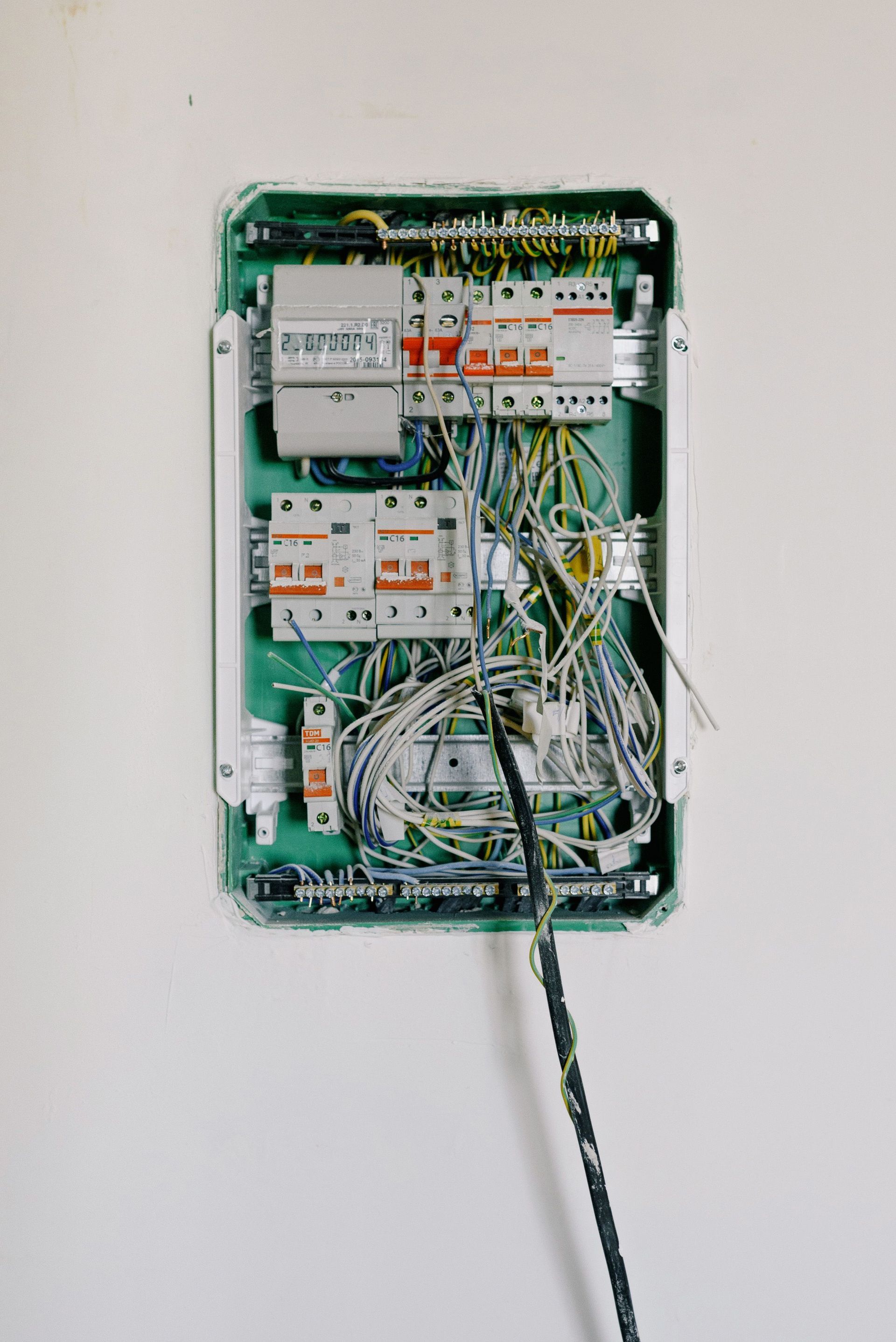
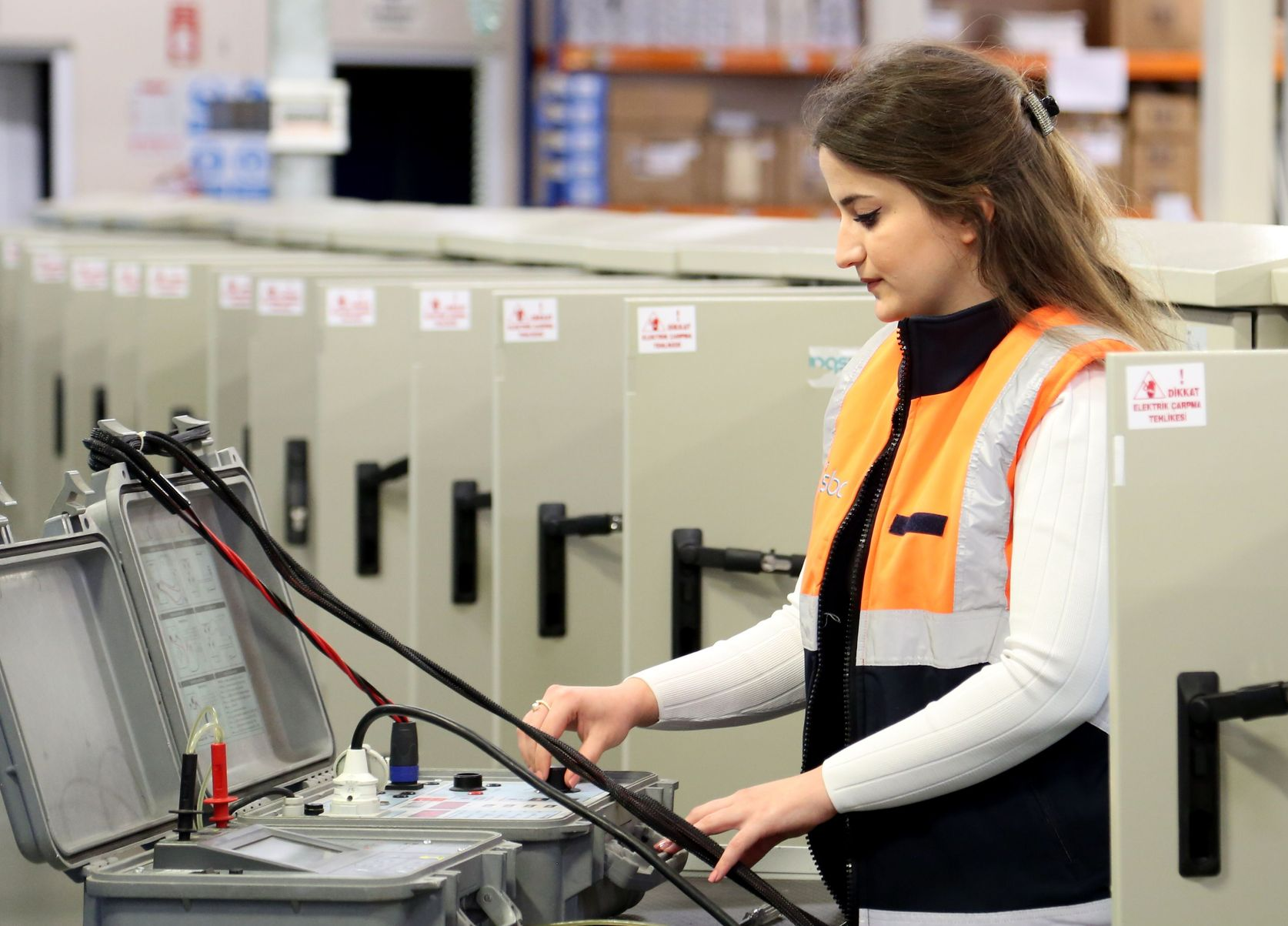
An EICR is an inspection of the fixed electrical installation in a building: the wiring, consumer units, earthing, sockets, switches, light fittings, and any distribution boards. The inspector checks that everything is safe, correctly rated for its purpose, and compliant with the current edition of the wiring regulations (BS 7671).
The report grades any deficiencies it finds:
- C1 - immediate danger, requires action before the building is used
- C2 - potentially dangerous, requires urgent remedial work
- C3 - improvement recommended but not immediately required
- FI - further investigation required
A building passes (gets a satisfactory certificate) if there are no C1 or C2 codes. C3 codes don't fail the inspection but should be addressed over time.
Who Needs One and How Often
Bristol Commercial Electricians carries out EICRs across a wide range of commercial premises in Bristol, and the legal position is more nuanced than some landlords expect. For rented commercial properties, there's a general duty under health and safety legislation to maintain electrical installations in a safe condition, and an EICR is the accepted way to demonstrate this. Many commercial leases also include specific EICR obligations either at the start of a tenancy or at regular intervals.
The recommended frequency varies by property type:
- Commercial premises: every 5 years as a general baseline
- Properties with higher risk (kitchens, industrial, wet environments): every 3 years or more frequently
- Change of occupier or use: before new occupation begins
For owner-occupied businesses, EICR requirements depend on industry-specific regulations rather than general landlord-tenant law - but the insurance angle is worth considering regardless.
What to Expect on the Day
The time an EICR takes depends heavily on the size and age of the installation. A small office suite might take two to four hours. A multi-floor commercial building with several distribution boards and a complex installation could take a full day or more. In working premises, the inspection often needs to be done out of hours to avoid disrupting operations - which is worth arranging in advance rather than discovering on the day.
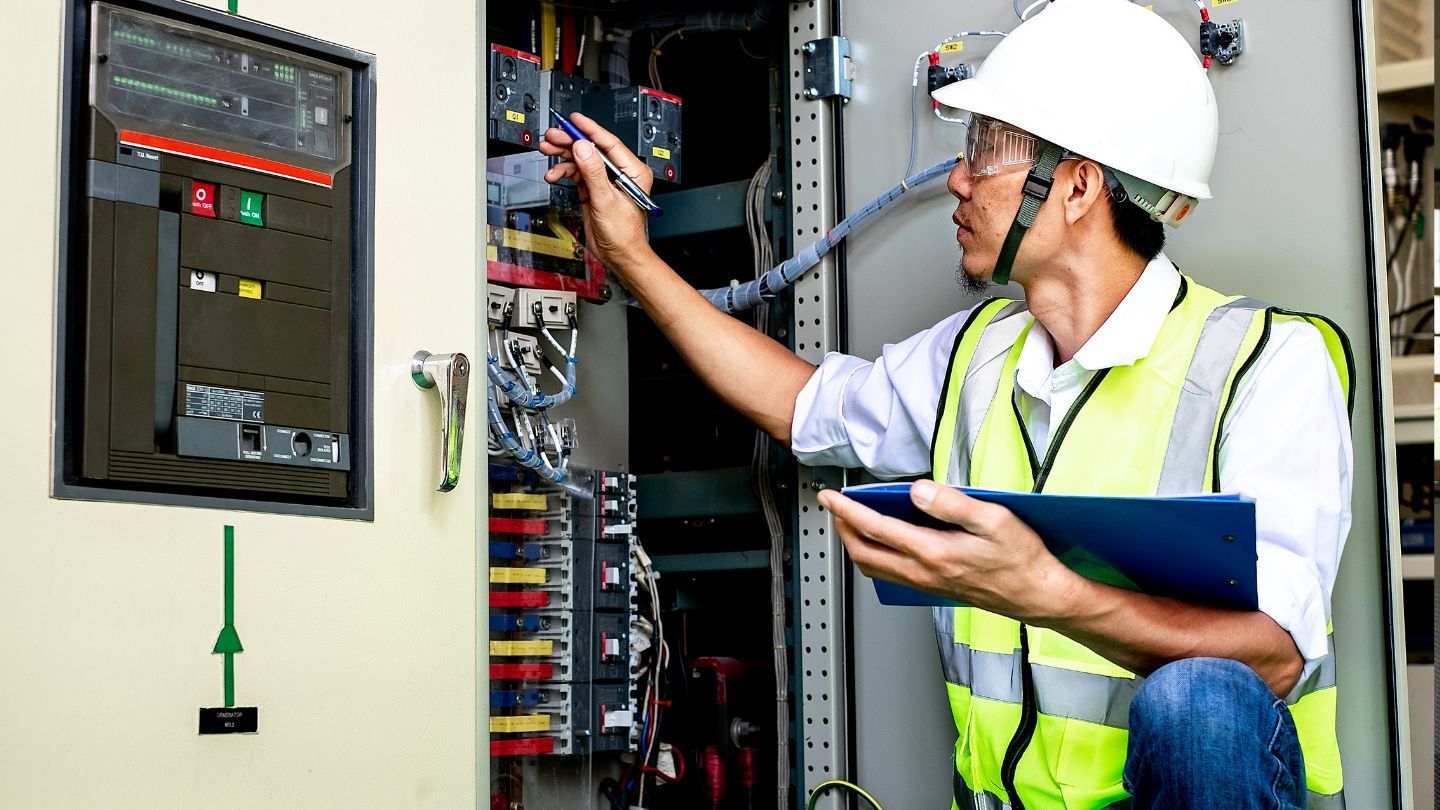
The inspector will need access to all electrical panels, switch rooms, and the intake position. In older Bristol buildings, getting access to everything can sometimes be complicated by previous alterations or missing as-built drawings, which adds time.
What Happens if You Get C1 or C2 Codes
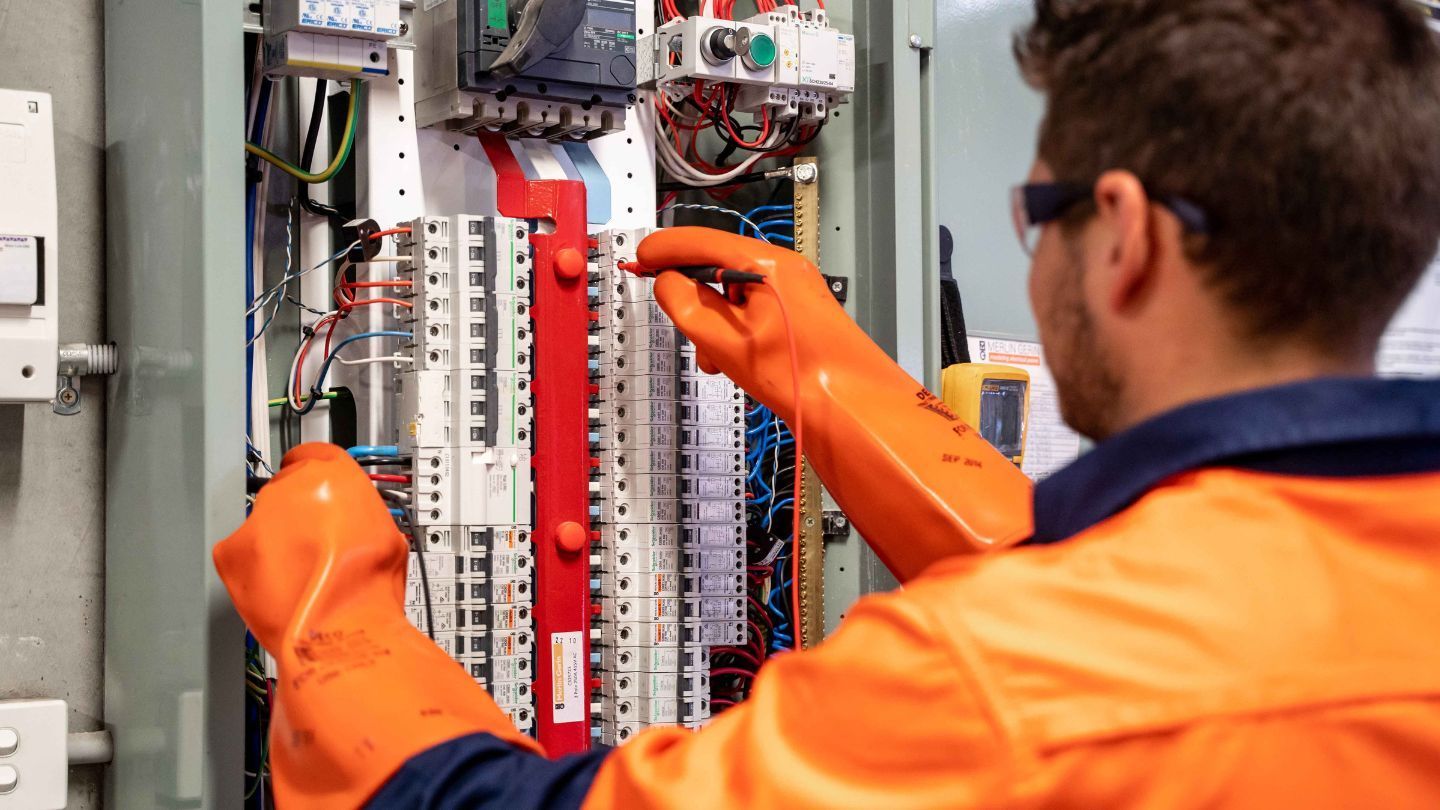
We've written about three-phase power upgrades for Bristol businesses elsewhere, and the general principle applies here too: electrical work in commercial properties is more involved than a quick fix. A C1 defect has to be addressed immediately - in practice, if the inspector identifies immediate danger, they'll notify you before leaving and the building may need to be taken out of service until it's resolved. C2 defects need to be remediated within a short timeframe, typically within 28 days, and a remedial certificate issued.
The remedial cost varies enormously depending on what was found. An outdated consumer unit is a known, bounded job. Wiring deficiencies running through a building with limited access behind finished surfaces are not.
Getting the Certificate Right
The EICR certificate itself matters as a document - it needs to be issued by a registered electrician, usually one registered with a competent person scheme (NICEIC, ELECSA, or similar). An unregistered EICR has limited legal standing and won't satisfy most insurers or commercial solicitors.
FAQ
Q: Is an EICR a legal requirement for Bristol commercial properties?
There's a general health and safety duty to maintain electrical installations safely in rented commercial premises, and many leases include specific EICR obligations. Owner-occupied businesses may have industry-specific requirements. Consult your lease and insurer to understand your specific obligations.
Q: How often should a commercial property in Bristol have an EICR?
Every five years as a general baseline for standard commercial premises, more frequently for higher-risk environments like commercial kitchens or wet industrial areas. An EICR is also recommended at every change of occupier.
Q: What happens if an EICR finds a C1 defect?
A C1 code indicates immediate danger - it must be addressed before the building is used. In practice, the inspector will flag this before leaving and the issue needs to be rectified immediately, with a remedial certificate issued before the property is occupied again.
Q: Who can legally carry out an EICR in Bristol?
A qualified electrician registered with a competent person scheme such as NICEIC or ELECSA. An EICR issued by an unregistered electrician has limited standing with insurers and commercial solicitors.
Ready to work with Bristol Commercial Electricians?
Let's connect! We’re here to help.
Send us a message and we’ll be in touch.
Or give us a call today at 0117 427 8971
Agency Contact Form
More Marketing Tips, Tricks & Tools