Electrical Requirements for a Restaurant Kitchen Fit-Out in Bristol
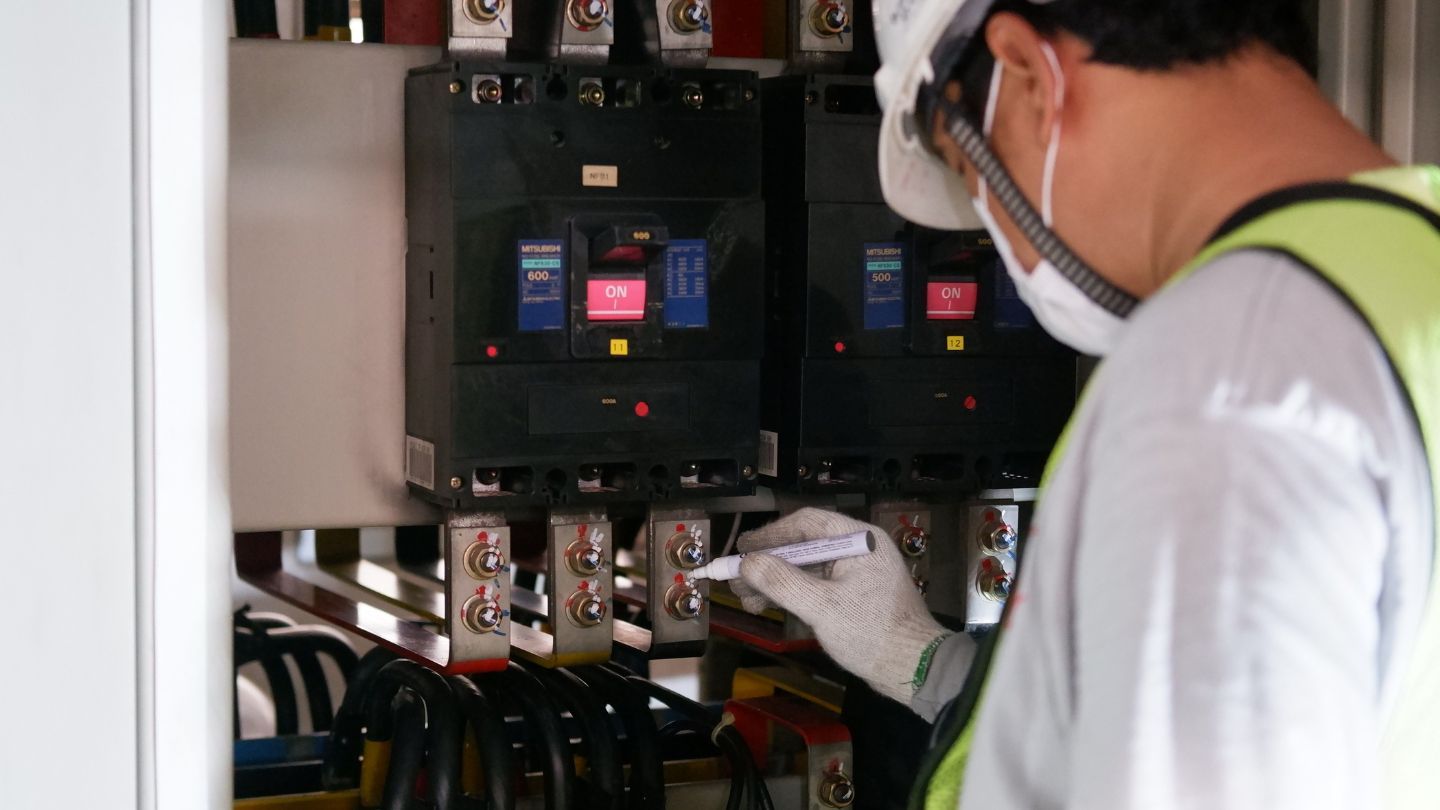
Most restaurant fit-outs we get called into in Bristol have the same story behind them: the kitchen design is finalised, the equipment's been ordered, and then someone realises the existing electrical supply isn't going to cope with it. Commercial kitchen equipment draws a lot more power than people expect, and retrofitting an electrical supply around equipment that's already arrived is a much harder job than planning for it from the start. Here's what actually needs thinking about.
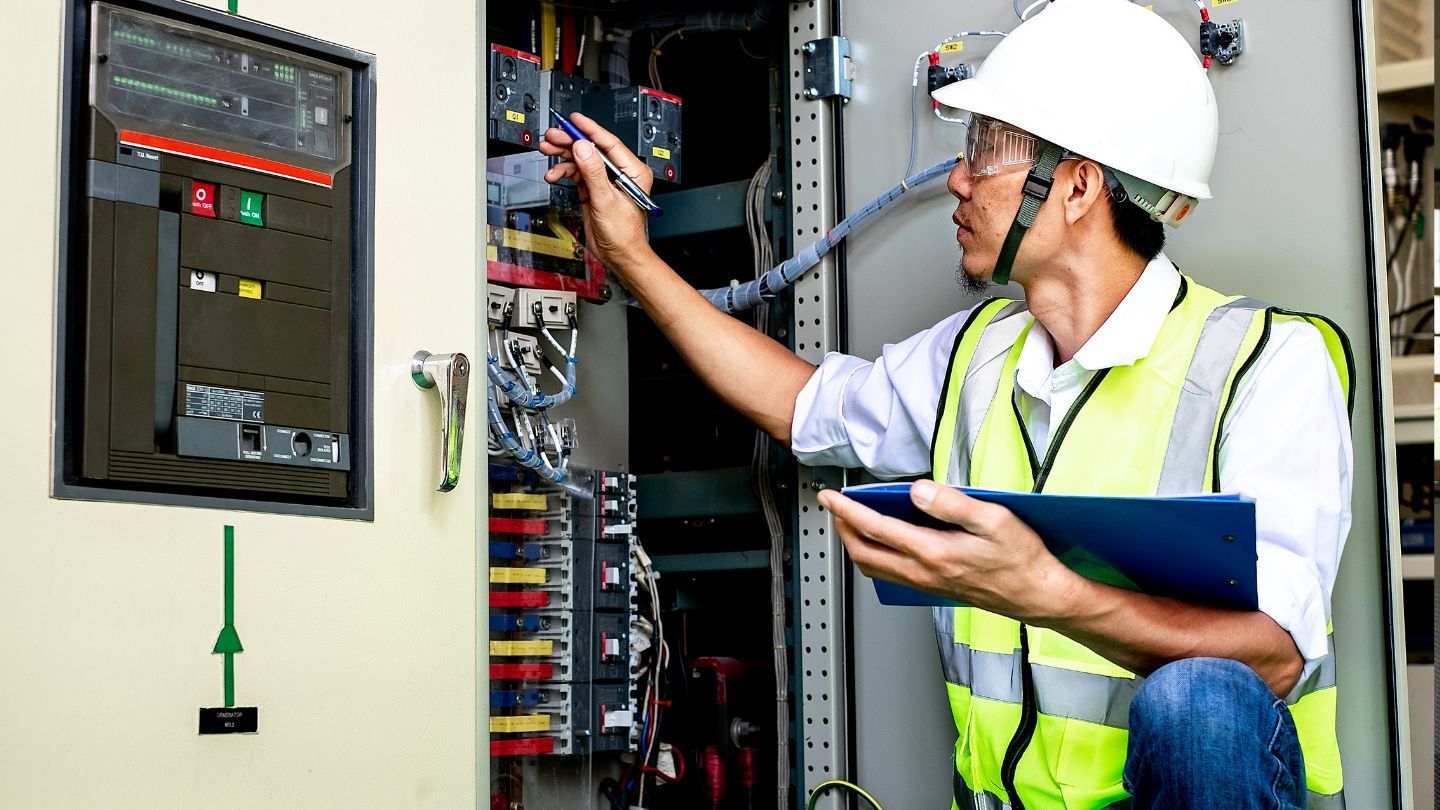
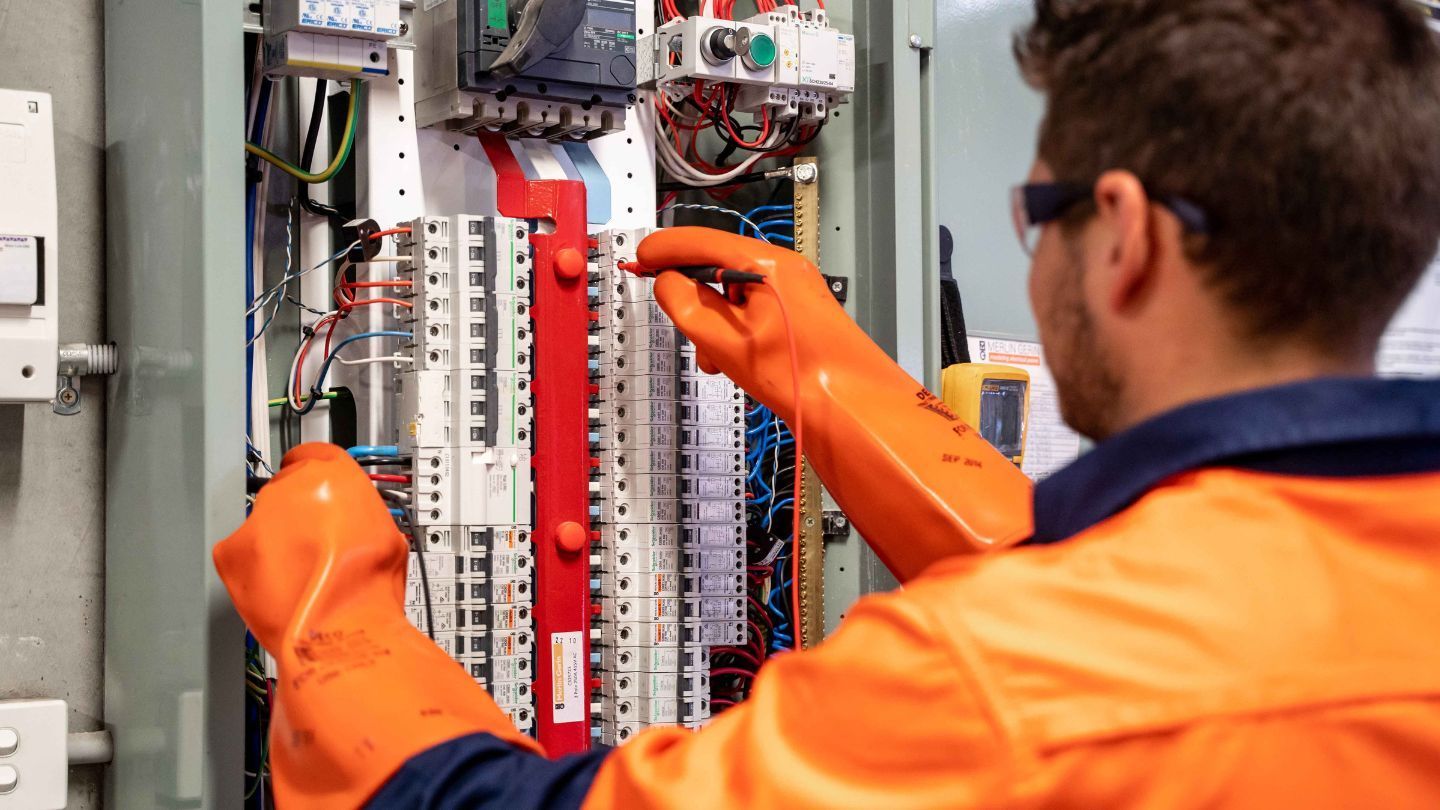
Before any equipment gets ordered, it's worth getting Bristol Commercial Electricians involved early. A site survey at the planning stage can save weeks of delay later.
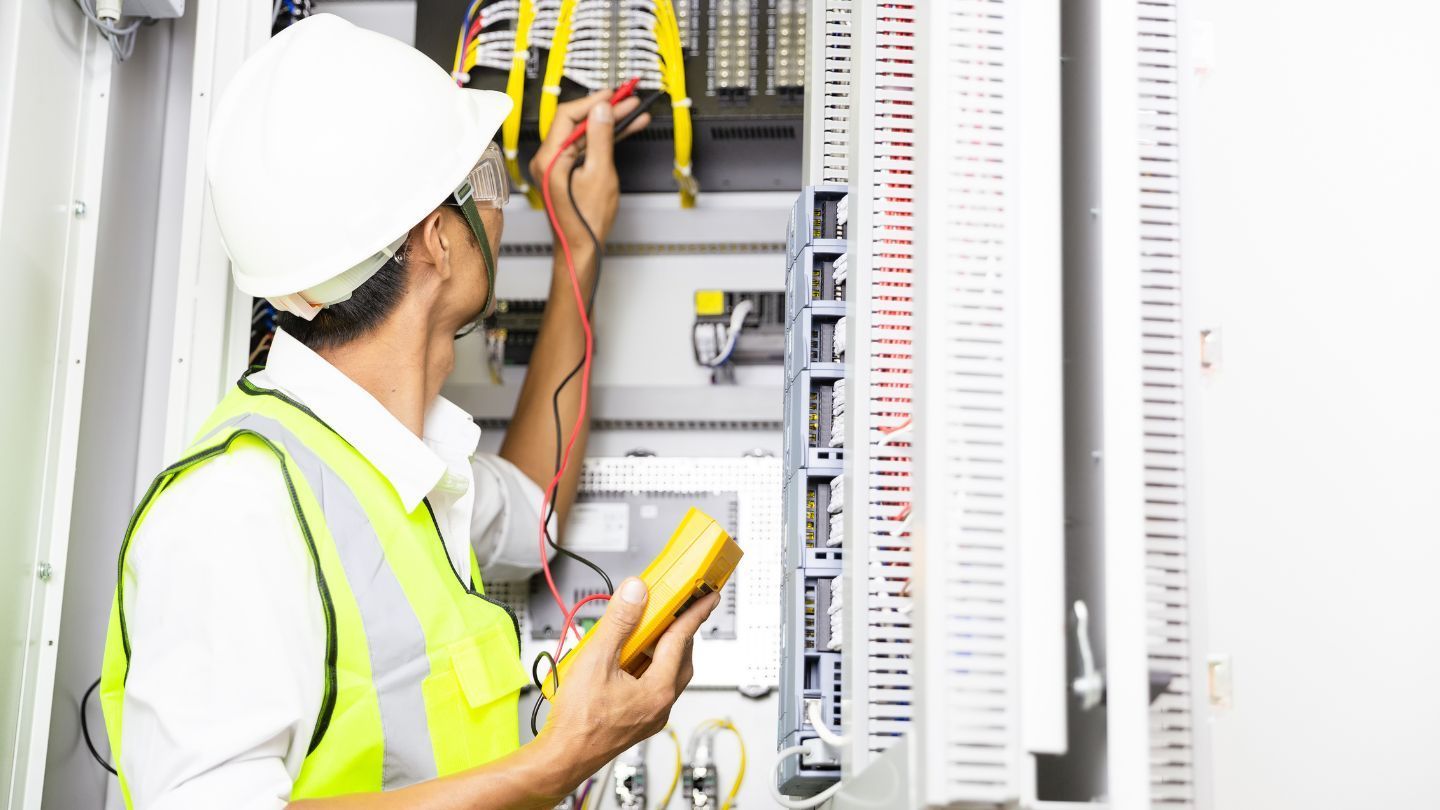
A domestic kitchen runs off a standard single-phase supply without much thought. A commercial kitchen is a different proposition entirely. Combination ovens, induction hobs, extraction systems, walk-in fridges and freezers, glasswashers, dishwashers, and hot-holding equipment can each draw significant loads, and when several of them run simultaneously during service, the cumulative demand is substantial. Many commercial kitchens in Bristol need a three-phase supply just to handle this, particularly anywhere doing high-volume cooking with multiple pieces of heavy equipment running at once.
If the building's existing supply is single-phase and was sized for a previous, lighter use, retrofitting three-phase power can mean work with the local distribution network operator, which has its own lead times, sometimes measured in months rather than weeks. This is the single biggest reason early electrical input matters: if a three-phase upgrade is needed, that timeline needs to start as early as possible, ideally before the lease is even signed if you can manage it.
Extraction and Make-Up Air Systems
Commercial kitchen extraction isn't just a fan over the cooker. Extraction systems for commercial kitchens are often interlocked with gas supplies (where gas is used) as a safety measure, meaning the gas supply cuts off if the extraction fails. This interlock is an electrical installation in its own right and needs to be specified and wired correctly, not bolted on as an afterthought once the extraction unit's been chosen.
Make-up air systems, which replace the air being extracted so the kitchen doesn't end up under negative pressure, also need their own electrical supply and controls. On a few Bristol fit-outs we've worked on, this has been the part that got missed in the original design and had to be retrofitted, which is more disruptive and more expensive than getting it right the first time.
Equipment Circuits and Isolation
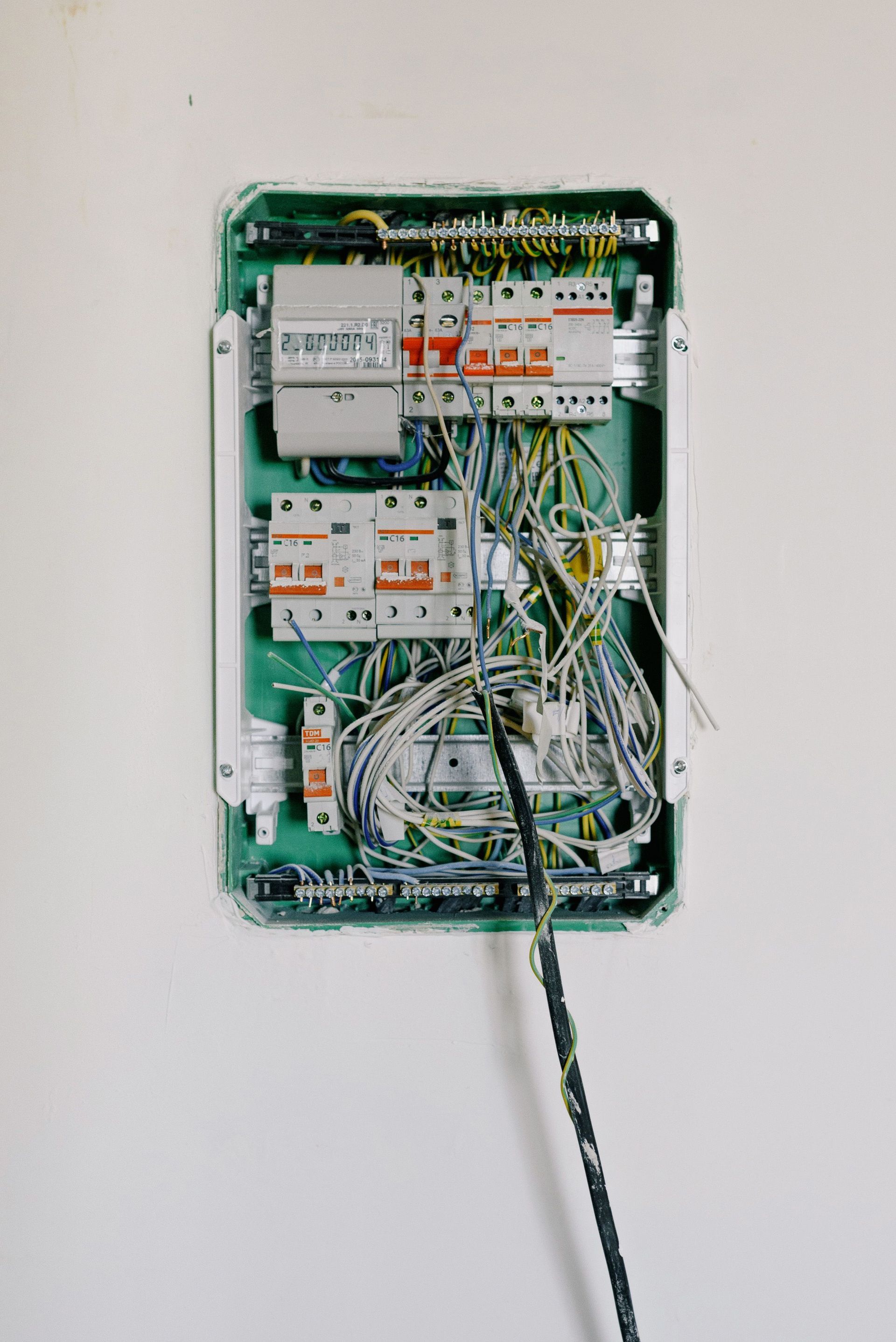
Each major piece of kitchen equipment generally needs its own dedicated circuit, both for safety and so that one piece of equipment failing or tripping doesn't take down others mid-service. Equipment also needs accessible isolation switches, so staff or engineers can isolate individual items for cleaning, maintenance, or in an emergency, without having to go to the consumer unit.
We've covered what a full commercial rewire involves and how long it takes in Bristol , and a kitchen fit-out often involves a similar scale of work concentrated into one area of the building, which is part of why the electrical side of a kitchen fit-out can take longer than the rest of the unit combined.
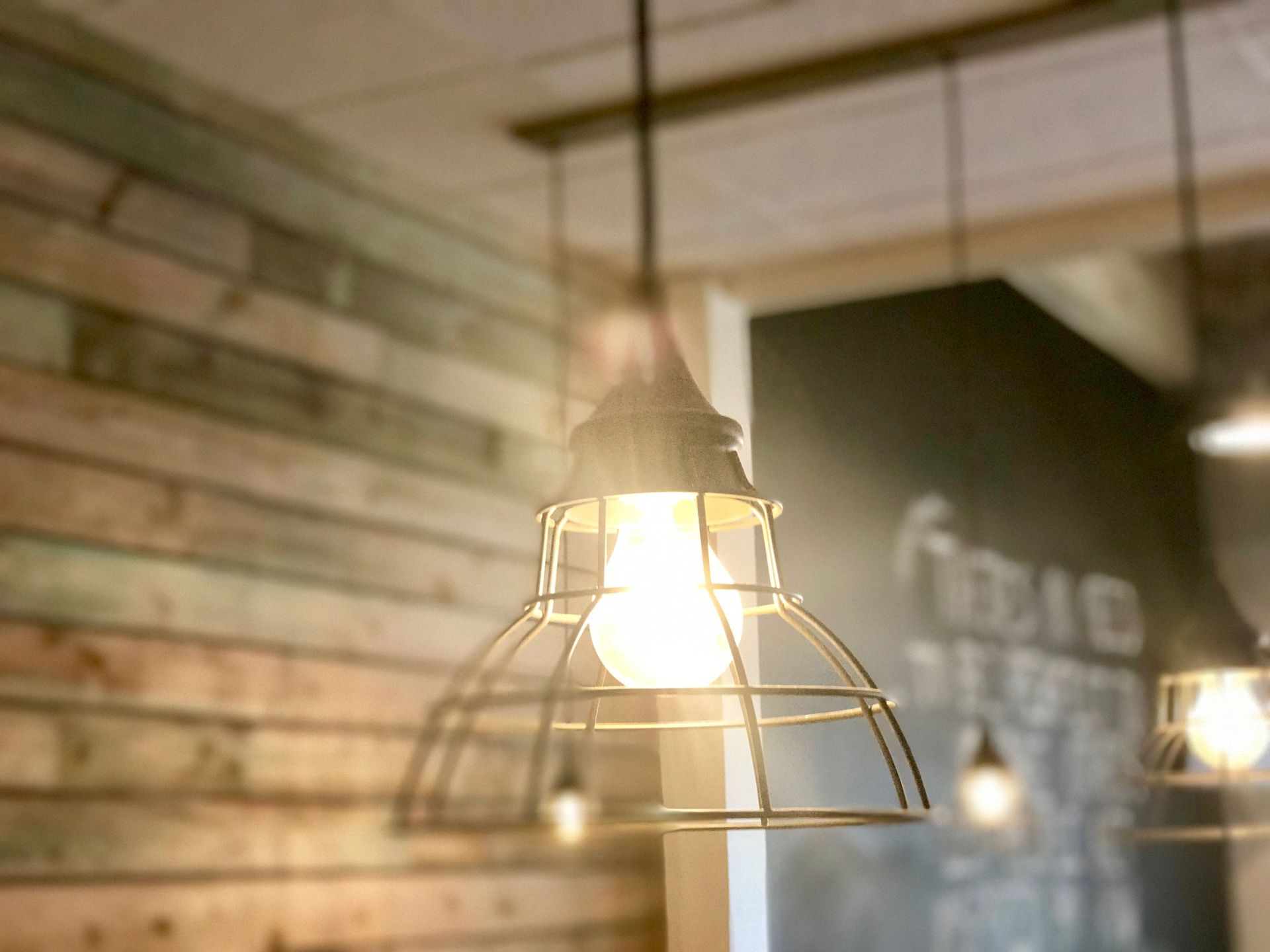
It's easy to focus entirely on the kitchen and treat front-of-house electrics as an afterthought, but restaurant lighting design has a direct impact on the atmosphere of the space, and getting circuits and dimming right at first fix is far easier than retrofitting it after the ceiling's closed up. Power requirements for things like POS systems, card machines, and any open-kitchen or display cooking areas visible to customers also need planning early, particularly if there's a design element to how cabling and fittings are exposed or hidden.
Certification and Sign-Off
Once the work's done, you'll need an Electrical Installation Certificate for new circuits and a periodic inspection schedule going forward. For a restaurant, this isn't just box-ticking. Commercial kitchens have a higher fire risk profile than most premises, and insurers will often ask for evidence of correct electrical certification if there's ever a claim. Getting this paperwork right at handover saves a scramble later.
FAQ
Q: Does a restaurant kitchen always need a three-phase electrical supply? A: Not always, but many do, particularly kitchens with multiple heavy appliances running simultaneously, like combination ovens, induction hobs, and large refrigeration units. A site survey early in the planning process will confirm whether your existing supply is sufficient.
Q: How long does it take to upgrade to a three-phase supply in Bristol? A: It depends on the local distribution network operator's workload, but it can take weeks to months. This is why it's worth getting an electrical assessment done before signing a lease or finalising equipment orders.
Q: Why does kitchen extraction need electrical work beyond just the fan? A: Extraction systems are often interlocked with gas supplies as a safety feature, and make-up air systems need their own power and controls. Both need to be designed into the electrical plan from the start.
Q: What certification is needed after a restaurant electrical fit-out? A: An Electrical Installation Certificate for new work, plus an ongoing periodic inspection schedule. Insurers may ask for this documentation if there's ever a claim, so it's worth keeping it on file.
Ready to work with Bristol Commercial Electricians?
Let's connect! We’re here to help.
Send us a message and we’ll be in touch.
Or give us a call today at 0117 427 8971
Agency Contact Form
More Marketing Tips, Tricks & Tools