EV Charge Point Installation for Bristol Businesses: What's Actually Involved
EV charge points have gone from a nice-to-have to something a growing number of Bristol businesses are being asked about directly, by staff who drive electric, by customers who'd choose one car park over another based on charging availability, and increasingly by clients who simply expect it as part of doing business with a modern company. The jump from "we should look into this" to "we have working charge points" involves more than just bolting a unit to a wall, though, and the biggest factor by far is what's already happening with your electrical supply.
The Question That Comes Before Everything Else: Supply Capacity
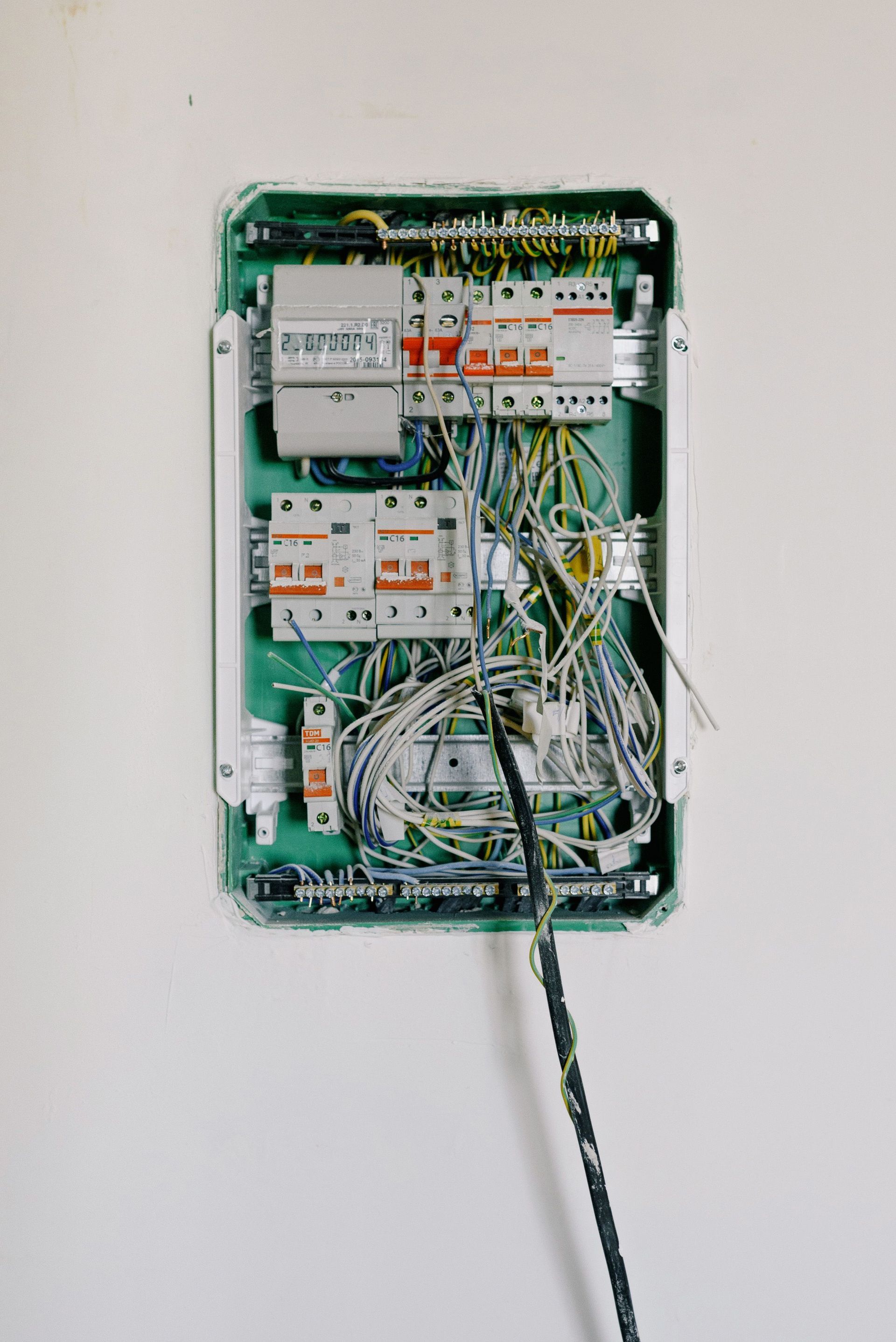
Before specifying any charge points, Bristol Commercial Electricians will usually want to establish what your current supply can actually support, since this single factor determines almost everything else about the project.
Commercial premises have an electrical supply sized for their existing load, lighting, heating, equipment, and so on, with some headroom built in but not unlimited spare capacity. Adding EV chargers, especially multiple fast chargers, adds a significant new load, and if the existing supply doesn't have enough headroom, the options become either upgrading the supply itself (which can mean involvement from the local network operator and a longer timeline) or installing load management systems that share available capacity across multiple chargers without exceeding what the supply can handle.
Load management is often the more practical and cost-effective route for businesses installing several charge points, since it avoids a supply upgrade while still allowing multiple vehicles to charge, just not all at full speed simultaneously if demand is high. For most everyday business use, this isn't a meaningful limitation, since vehicles are usually parked for hours rather than needing the fastest possible charge.
How This Differs From a Restaurant Kitchen Fit-Out
We've covered the electrical requirements for restaurant kitchen fit-outs in Bristol , where the load is concentrated in one area and largely fixed once the kitchen's designed. EV charging is different because the load is more variable, ranging from a couple of cars trickle-charging overnight to a busy car park during the day, and the infrastructure often needs to allow for future expansion, more charge points added later, as demand grows. Designing for that flexibility from the start tends to be cheaper than retrofitting it once the first set of chargers is already in.
Fast vs Slow Charging: What Actually Suits a Business
Rapid chargers (the kind associated with motorway services) are usually overkill and disproportionately expensive for most business car parks, both in terms of the charger cost and the electrical infrastructure needed to support them. For staff and visitor parking where vehicles sit for several hours, standard or fast chargers (7kW-22kW) are usually more than sufficient and considerably cheaper to install and run.
The right number of charge points also isn't necessarily "one per parking space." Many businesses start with a smaller number of charge points and use load management or simple booking systems to share them across more vehicles than there are physical connectors, scaling up as actual usage data shows whether more are needed.
Funding and Grants
Various grant schemes have existed to support workplace charging installations, though availability and eligibility change over time, so it's worth checking current schemes specifically rather than assuming a particular grant is still running. Even without grant funding, the cost of installation needs to be weighed against the practical and reputational value of offering charging, which for some businesses, particularly those with customer-facing car parks, is increasingly a competitive factor rather than a pure cost decision.
What the Installation Process Looks Like
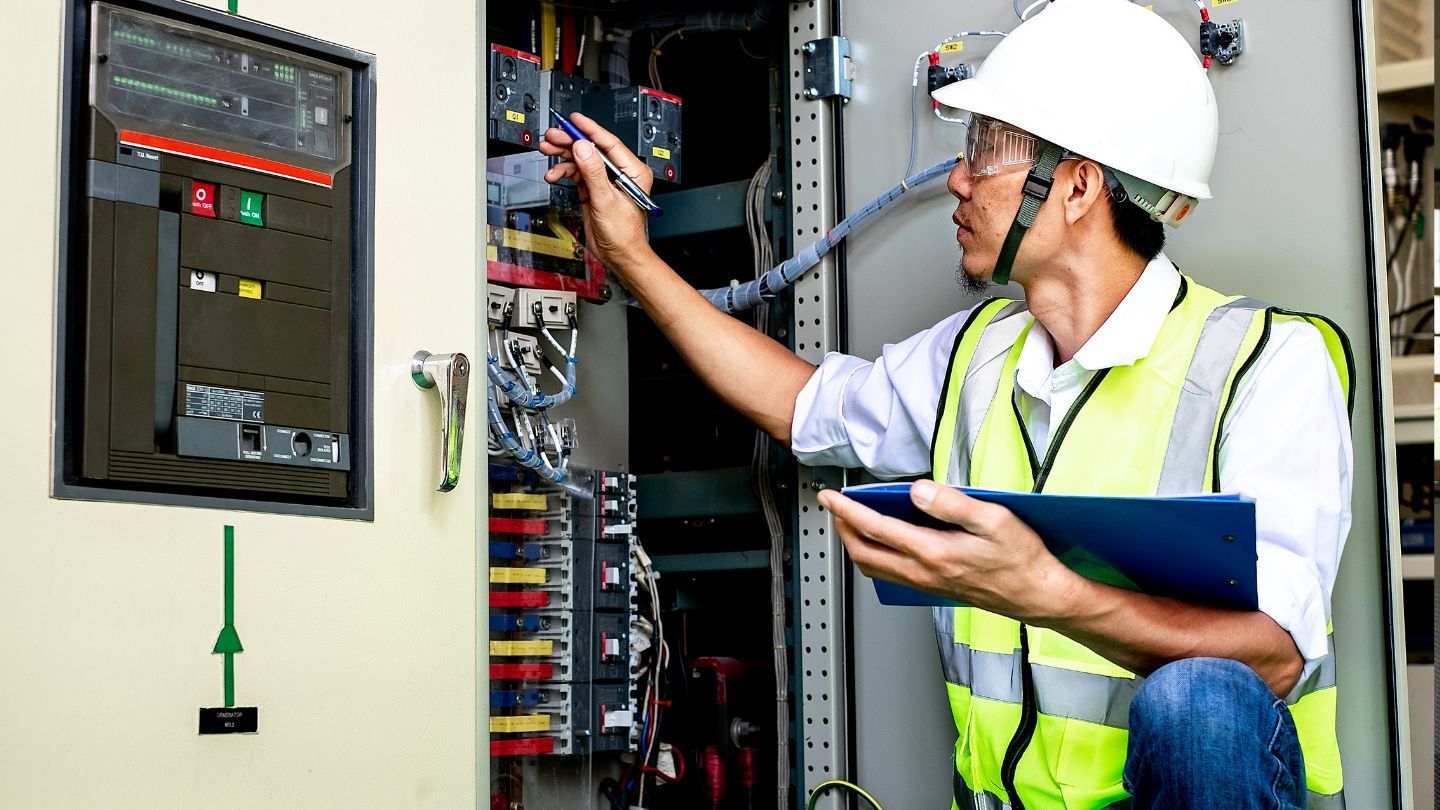
A typical project starts with a site survey to assess the existing supply, intended charger locations, and cable routes. From there, depending on whether load management or a supply upgrade is needed, the work itself can range from a relatively quick installation (a few days for chargers on an existing supply with capacity) to a longer project if groundworks or a supply upgrade are involved. Getting the survey right at the start avoids the more common issue, where chargers are ordered and installed before anyone's properly checked whether the supply can actually support them at the same time as everything else running in the building.
FAQ
Q: What's the biggest factor affecting the cost of business EV charge point installation? A: Whether your existing electrical supply has enough capacity for the additional load. If not, the choice is between a supply upgrade or installing load management systems to share available capacity.
Q: Do I need rapid chargers for a business car park? A: Usually not. Rapid chargers are expensive and the infrastructure to support them is significant. For vehicles parked for several hours, standard or fast chargers (7kW-22kW) are generally sufficient and far more cost-effective.
Q: Should I install one charge point per parking space? A: Not necessarily. Many businesses install fewer charge points than spaces and use load management or booking systems to share them, scaling up based on actual demand over time.
Q: What does the installation process typically involve? A: It starts with a site survey to assess supply capacity, charger locations, and cable routes. The actual installation can take a few days if the supply has capacity, or longer if groundworks or a supply upgrade are needed.
Ready to work with Bristol Commercial Electricians?
Let's connect! We’re here to help.
Send us a message and we’ll be in touch.
Or give us a call today at 0117 427 8971
Agency Contact Form
More Marketing Tips, Tricks & Tools