Commercial CCTV Installation in Bristol: What's Involved, What It Costs, and What to Specify
CCTV is now a standard part of most Bristol commercial premises - retail, hospitality, offices, and industrial sites all run some form of surveillance system. What varies considerably is whether those systems are actually fit for purpose or just boxes ticked. A poorly specified system that records unusable footage, has dead zones, or stores only 48 hours of footage on a small hard drive is considerably less useful than it looks from the outside.
Getting the specification right at the installation stage costs the same as getting it wrong, and it makes the difference between footage that's usable as evidence and footage that isn't.
What a Commercial CCTV System Involves
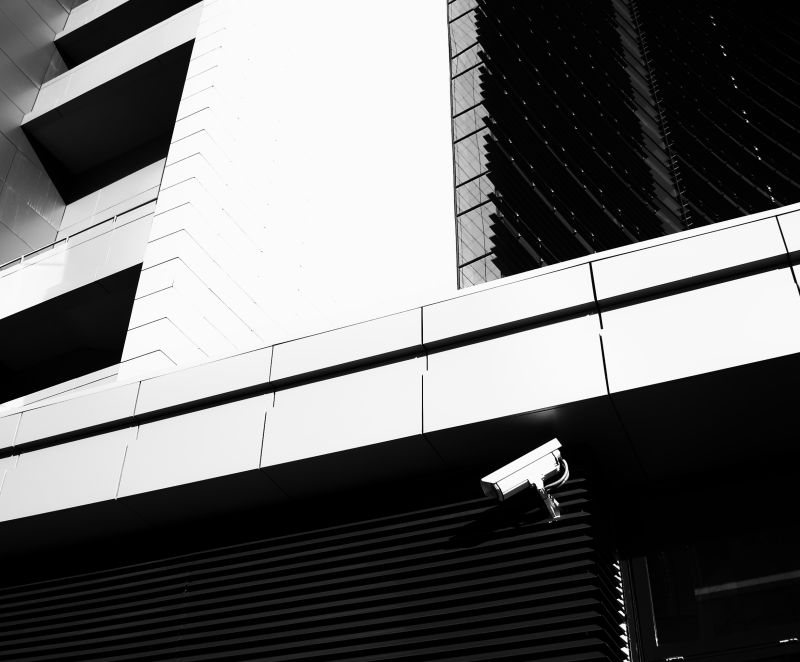
A commercial system is different from a domestic one in scale, specification, and the regulatory framework it needs to operate within.
Camera count and positioning is the starting point. A thorough site survey maps coverage requirements - entrances, exits, till areas, storage, car parks, and any particular vulnerabilities. Coverage gaps are the most common weakness in systems that have been installed cheaply or without a proper survey.
Camera resolution matters. 4K cameras are now standard for any installation where footage might need to be used as evidence - for insurance claims, police referrals, or staff disciplinary proceedings. Lower resolution footage is often rejected or unusable because faces and detail can't be made out clearly enough.
Recording and storage is where many systems underperform. A small DVR with two weeks of local storage is the minimum; a well-specified system for a busy Bristol commercial premises will have more storage, or cloud backup, or both.
Bristol Commercial Electricians designs and installs CCTV systems for commercial properties across Bristol, from single-site retail to multi-site operations.
Types of Camera
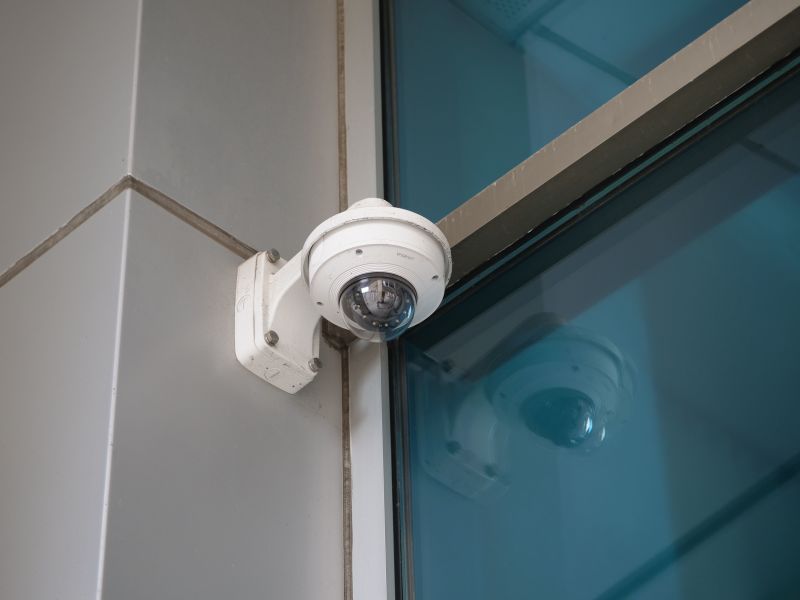
Fixed cameras cover a specific area and are the most cost-effective per camera for well-defined zones. PTZ (pan, tilt, zoom) cameras can be remotely controlled and cover larger areas but cost more and require active monitoring to get the most from them.
IP cameras transmit footage over the network rather than via dedicated coaxial cabling. They allow higher resolution, easier integration with other systems, and remote access via app or browser. Most new commercial installations in Bristol use IP cameras.
Bullet cameras are visible and act as a deterrent as well as recording. Dome cameras are less conspicuous and harder to determine the precise direction they're pointing - which has both legitimate and less legitimate applications in commercial settings.
UK GDPR and CCTV Compliance
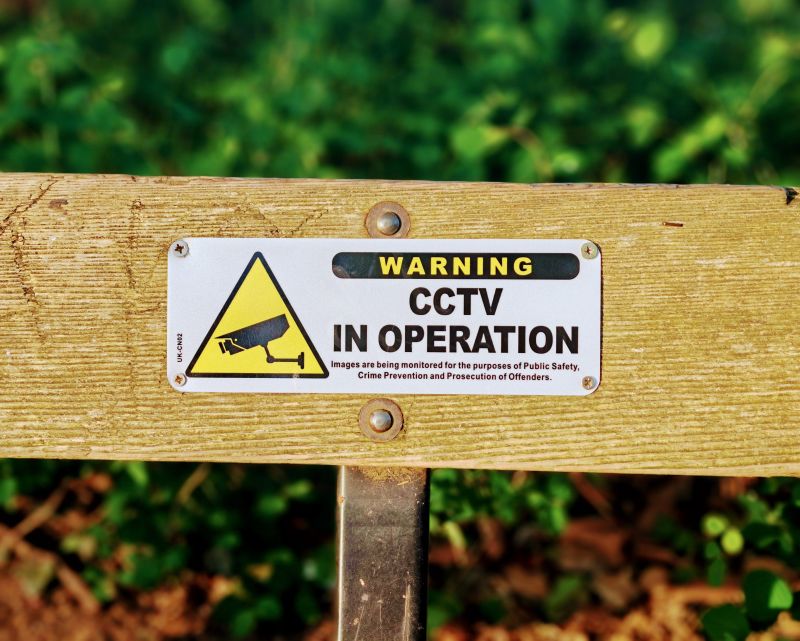
Commercial CCTV in the UK must comply with ICO guidance on surveillance. In practice, this means: a privacy notice at the entrance informing visitors that CCTV is in operation, documented retention periods for footage (typically 30 days is standard for most commercial premises), a designated person responsible for data access requests, and a procedure for handling requests from individuals to see footage that includes them.
The ICO's guidance on CCTV is the authoritative reference. Non-compliance can result in enforcement action, and a poorly documented system can make footage inadmissible in legal proceedings.
We've covered related security topics in our access control guide for Bristol commercial properties, which is worth reading alongside this for a full picture of commercial security infrastructure.
Remote Monitoring and App Access
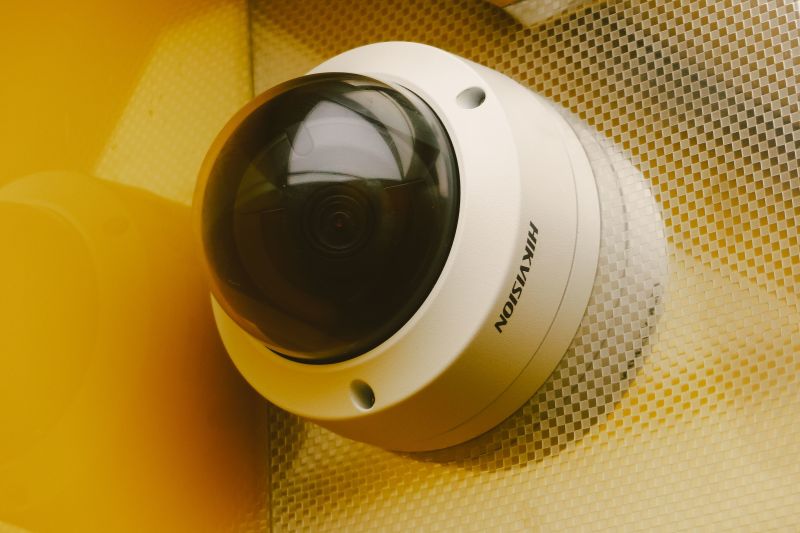
Most IP-based commercial systems can be accessed remotely via a phone app or browser. This allows business owners to check cameras live, review recent footage, and receive alerts from motion-triggered cameras without being on site. Remote access is straightforward to set up and costs nothing extra once the system is configured.
Cloud backup is an additional consideration - it protects against footage loss if local recording equipment is stolen or damaged in the same incident being investigated.
What Commercial CCTV Costs in Bristol
Small retail or office, 4-6 cameras, IP system, local storage: £1,500 - £3,500 installed.
Medium commercial premises, 8-12 cameras, full site coverage: £3,000 - £6,500 installed.
Larger site or multi-camera high-specification system: £6,000 - £15,000+.
Additional cloud backup subscription: £20 - £80 per month depending on storage.
CCTV maintenance contract (annual inspection and testing): £200 - £600 per year.
Cabling infrastructure is the biggest variable in installation cost - a site where cable runs are straightforward costs significantly less than one where cables need to be routed through solid masonry or over long distances.
FAQ
Q: How many cameras does a commercial property in Bristol need?
This depends on the site. A small retail unit might need 4-6 well-positioned cameras. A larger premises with a car park, multiple entrances, and internal zones might need 12-20. The right answer comes from a site survey that maps coverage requirements, not a standard package.
Q: Do I need to tell people about CCTV in my Bristol business?
Yes. ICO guidance requires a privacy notice at premises entrances informing visitors that CCTV is in operation. You also need documented retention periods and a procedure for handling data access requests. Non-compliance with UK GDPR on CCTV can result in ICO enforcement action.
Q: How long should CCTV footage be kept?
30 days is standard for most commercial premises. Some sectors (licensed premises, high-security sites) may need longer. You need a documented retention policy as part of your CCTV compliance.
Q: Can I access my Bristol commercial CCTV remotely?
Yes - IP-based systems can be accessed via a phone app or browser. You can view live cameras, review footage, and receive motion alerts from anywhere with internet access.
Q: What resolution do I need for commercial CCTV?
4K (or at minimum 1080p) for any camera where footage might be used as evidence - entrances, till areas, storage areas. Lower resolution is generally not accepted by police or insurers as usable evidence.
Ready to work with Bristol Commercial Electricians?
Let's connect! We’re here to help.
Send us a message and we’ll be in touch.
Or give us a call today at 0117 427 8971
Agency Contact Form
More Marketing Tips, Tricks & Tools

EICR Certificates for Bristol Commercial Properties: What Landlords and Business Owners Need to Know