Access Control and Entry Systems for Bristol Commercial Properties: What's Involved and What It Costs
Access control is one of the most frequently requested upgrades when Bristol businesses move premises, expand, or respond to a security incident. The range of available systems has grown significantly over the past decade - from basic keypad entry to cloud-managed systems that log every door event to a smartphone in real time - and so has the expectation from insurers and commercial tenants. According to the Association of British Insurers, business crime costs UK companies over £1.5 billion per year, and inadequate access control is cited as a contributing factor in a significant proportion of commercial property break-ins. In Bristol, a city with a substantial and growing commercial stock across areas like Temple Meads, Redcliffe, Filton, and the expanding technology quarter around St Philips, access control decisions often come with implications for both day-to-day operations and insurance premiums.
The Main Types of Access Control for Bristol Commercial Premises
Access control covers a spectrum from single-door keypad entry to enterprise-wide systems managing hundreds of access points.
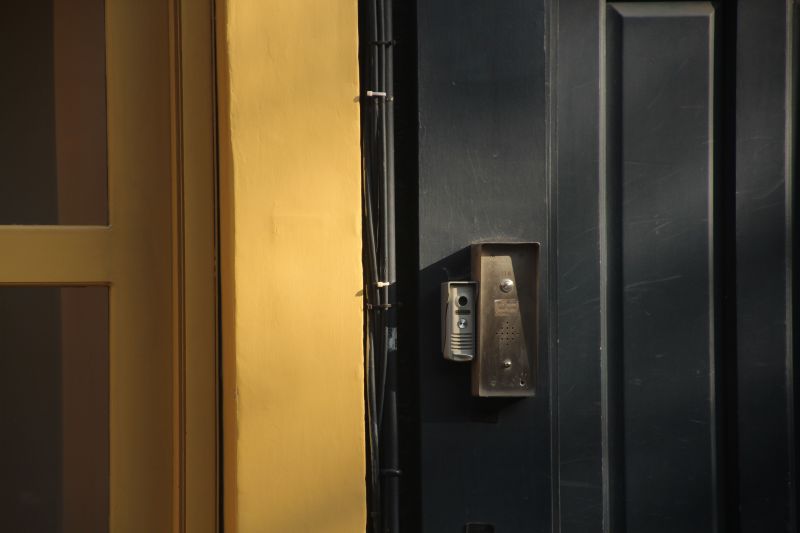
Keypad and PIN entry is the most basic form. A numeric code opens the door, simple to install, low cost, no ongoing software costs. The catch is that codes get shared and aren't tied to individuals - when someone leaves, the code needs changing across all users. It suits low-security secondary access points, storerooms, and smaller premises with stable staffing.
Fob and card systems give each user a proximity credential that opens only the doors they're authorised for. Individual credentials can be revoked without affecting anyone else. Access logs show which fob was used at each door and when. Most Bristol commercial properties with more than 10-15 regular users benefit from this level of control - and cards can be replaced immediately if lost.
Mobile phone credential systems do the same job as fob and card, but using the user's smartphone as the credential. Common in Bristol's tech and creative sectors where staff carry phones but not lanyards. Cloud-managed, so access changes can be made remotely.
Biometric systems - fingerprint or facial recognition - are the highest level of individual verification, since credentials can't be shared or lost. They suit server rooms, pharmaceutical storage, financial records, and other high-security areas within a larger premises. Higher cost and more complex to manage for large staff numbers.
Bristol Commercial Electricians installs access control systems across commercial properties throughout Bristol, from single-door retrofits to multi-site managed installations.
What Access Control Installation Involves

The technical scope of an access control installation depends on the number of doors being controlled, the cable infrastructure that already exists, and whether the system is standalone or integrated with other security or building management systems.
A single door installation typically involves:
- A door controller (the electronic brain of the system)
- A reader unit on the outer face of the door
- An electric lock (either a magnetic lock, electric strike, or electronic latch)
- A door sensor and request-to-exit button for the inner face
- Cabling from the reader and controller to the lock and power supply
- Integration with the fire alarm system (doors must release on fire signal - this is a Building Regulations requirement)
Multi-door installations add complexity in the form of central management software, network infrastructure connecting each door controller, and cable management across the building. Modern IP-based access control systems can run over the same network infrastructure as the building's IT - this is covered in more detail in our guide to data cabling and network infrastructure for Bristol commercial properties.
Integrating Access Control with Fire Alarm Systems

This is the most commonly overlooked aspect of access control installation in Bristol commercial premises. Building Regulations require that electrically held-open or electrically locked doors release automatically when the fire alarm is triggered. Any access control installation on a fire door or a door on a protected escape route must be integrated with the building's fire detection system.
Failing to integrate correctly creates both a legal compliance problem and a genuine safety risk. The Building Regulations Approved Document B is the authoritative reference on fire door requirements and holds-open provisions. Bristol City Council's Building Control team can advise if you're uncertain whether a specific door installation needs fire alarm integration.
Access Control and Data Protection in Bristol
Any system that logs access events creates data about individuals - when they arrived, when they left, which areas they accessed. Under GDPR and the UK Data Protection Act 2018, this is personal data and must be handled accordingly. Bristol businesses installing access control systems that generate logs should ensure their privacy policies reflect this data collection, that logs are stored securely, and that retention periods are defined and observed. The Information Commissioner's Office provides guidance on CCTV and access control data handling that applies to most Bristol commercial installations.
What to Consider When Specifying Bristol Commercial Access Control

Before committing to a specific system, there are a few things worth working through.
Who manages it day-to-day? Cloud-managed systems let HR or office managers add and remove users without specialist knowledge. Server-based systems typically need IT involvement. Standalone controllers need a programmer on site. For Bristol businesses where staff turnover is a fact of life, the management overhead matters as much as the purchase cost.
Scalability matters if you're fitting out a single Bristol office now but expect to expand. Choosing a system that scales to a second site without replacing all the hardware is worth the modest additional upfront cost.
Power resilience is often overlooked. Magnetic locks and electric strikes fail in different directions when power is lost. A magnetic lock fails open (the door releases when power fails) - not suitable for high-security areas but correct for fire doors. An electric strike can be configured to fail locked, which is appropriate for security doors but requires battery backup to keep them open during a fire evacuation.
What Access Control Costs for Bristol Commercial Properties
Single door keypad entry system, installation included: £400 - £900.
Single door fob/card system, installation included: £600 - £1,400.
Multi-door fob/card system, per door average: £500 - £900 per door, depending on cable runs and specification.
Cloud-managed smartphone credential system, per door: £700 - £1,200 per door including software setup.
Biometric reader (fingerprint or facial recognition), per door addition: £400 - £1,000 extra above standard reader cost.
Annual software and management subscriptions for cloud-based systems typically run £15 - £50 per user per year depending on the platform.
FAQ
Q: Does access control need to integrate with our Bristol building's fire alarm system?
Yes, if any controlled door is a fire door or on a protected escape route. Building Regulations require electrically locked doors to release on fire signal. Failing to integrate is a legal compliance issue and a safety risk. Any reputable Bristol installer will check this and include the integration as standard.
Q: What happens to access control doors when power fails in a Bristol commercial building?
Depends on the lock type chosen. Magnetic locks fail open (door releases when power is lost) - appropriate for fire exit routes. Electric strikes can be configured to fail locked - appropriate for secure areas, but they need battery backup to avoid locking people out during any power interruption. Specify which behaviour you need at each door when planning the installation.
Q: How do we manage access control when staff leave our Bristol business?
Fob and card systems allow individual credentials to be revoked immediately without affecting anyone else. Cloud-managed systems allow this remotely, even outside office hours. Keypad/PIN systems require the code to be changed and communicated to all remaining users - fine for small stable teams, impractical at scale.
Q: Do we need to tell employees their access is being logged under GDPR?
Yes. Access event logs are personal data under UK GDPR. Employees should be informed that access control systems log door events, the data should be held securely with defined retention limits, and your privacy policy should reflect this. The ICO provides guidance on this for UK businesses.
Q: Can access control in our Bristol office be managed from a phone?
With a cloud-based system, yes. Adding and removing users, changing access permissions, reviewing event logs, and managing door schedules can all be done via a web browser or dedicated app. This is one of the reasons cloud-managed systems have become the default choice for growing Bristol businesses over the past few years.
Ready to work with Bristol Commercial Electricians?
Let's connect! We’re here to help.
Send us a message and we’ll be in touch.
Or give us a call today at 0117 427 8971
Agency Contact Form
More Marketing Tips, Tricks & Tools





EICR Certificates for Bristol Commercial Properties: What Landlords and Business Owners Need to Know