Office Fit-Out Electrics in Bristol: What's Involved, Costs, and Compliance
Office fit-out electrics in Bristol are rarely the line item anyone gets excited about, but they are usually 20-30% of the total fit-out budget and the part most likely to delay handover if planned badly. Bristol's office market gives the work a particular flavour - Temple Quarter and the city centre have a steady pipeline of Cat A space being fitted out to Cat B, while a surprising amount of the city's office stock sits in converted Georgian and Victorian buildings around the old city, Queen Square, and Clifton, where the existing electrical infrastructure can be 40+ years old. A typical 50-desk office needs somewhere between 150 and 250 power outlets, dedicated circuits for kitchens and comms rooms, emergency lighting, and a full test and certification package before anyone plugs in a monitor. This guide covers what's actually involved, what it costs, and where the compliance obligations sit.
What the Electrical Package in an Office Fit-Out Covers
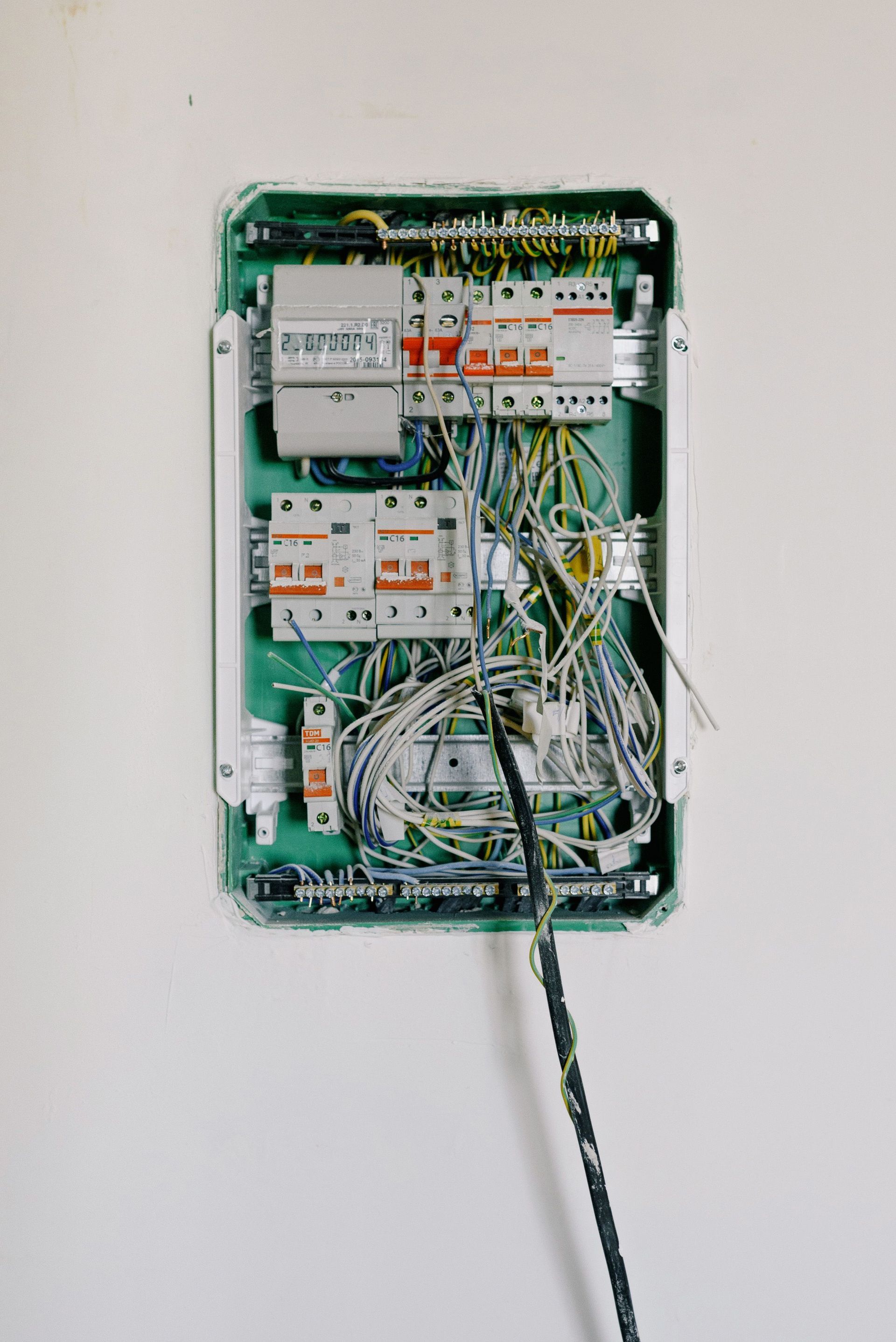
An office fit-out electrical package is broader than most tenants expect when they first see the quote. Power distribution is the core of it - a distribution board (or several), sub-circuits for general power, and small power to every desk position. The rule of thumb is 3-4 sockets per desk once you count monitors, laptops, phone chargers, and desk lamps, which is why a 40-desk office can easily need 160 outlets.
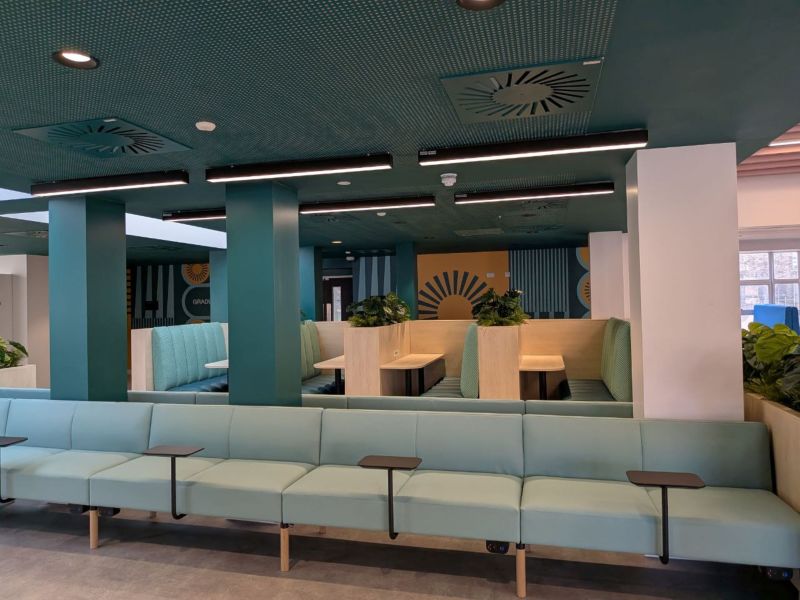
On top of that sits lighting (usually LED panels or linear fittings with occupancy and daylight sensors), emergency lighting to BS 5266, containment (the trunking, tray, and floor boxes everything runs through), and dedicated supplies for kitchens, server or comms rooms, and air conditioning. Data cabling often runs alongside as part of the same package because it shares the containment routes - doing them together typically saves 10-15% versus two separate contractors.
If you're at the planning stage and want a sense of what your space needs before you commit to a layout, Bristol Commercial Electricians can survey the unit and price the electrical package against your floor plan.
Cat A vs Cat B: Where the Landlord's Responsibility Ends
This distinction trips up a lot of first-time office tenants. Cat A is what the landlord hands over - typically a distribution board, basic lighting, and perimeter power. It looks finished but it's not usable as an office. Cat B is your fit-out: desk power, floor boxes, meeting room AV supplies, kitchen circuits, and lighting arranged around your actual layout rather than an empty floor plate.
In practice, around 80-90% of the electrical work in a typical Bristol office fit-out sits in Cat B. The landlord's Cat A installation also sets your constraints - if the incoming supply and distribution board were sized for a low-density layout and you're planning 1 desk per 8 square metres with a big comms room, you may need a supply upgrade, which adds weeks and often £3,000 - £10,000 to the programme.
Check the supply capacity before you sign the lease
The single cheapest piece of advice in this article: get the existing supply capacity checked during due diligence, not after you've signed. A 100A three-phase supply handles most small-to-medium offices comfortably. A 60A single-phase supply in a converted building near King Street or Corn Street may not, and DNO upgrade lead times in the Bristol area currently run 8-16 weeks.
Power, Desks, and Floor Boxes: Getting the Layout Right
Desk power is where fit-out electrics succeed or fail day to day. Floor boxes feeding desk clusters are the standard approach in open-plan space - typically one 4-gang floor box per 2 desks, fed on ring or radial circuits sized so no single circuit failure takes out more than a bank of desks.
The mistake we see most often is designing power for the day-one layout with zero spare capacity. Offices churn - teams grow, layouts change, and a fit-out with 20% spare ways on the distribution board and a few spare containment routes costs perhaps 5% more upfront and saves a disruptive rework 18 months later. Meeting rooms deserve their own attention too: a modern meeting room with a screen, video bar, and table power needs 6-10 outlets, not the 2 that older specs allowed.
Lighting, Emergency Lighting, and the Part That's Legally Required
Office lighting is now LED by default, and the numbers justify it: LED panels use 50-60% less energy than the fluorescent fittings still hanging in plenty of older Bristol offices, and adding occupancy sensors typically cuts lighting energy use by a further 20-30%. For a 5,000 sq ft office that's often £1,500 - £3,000 a year off the electricity bill. CIBSE guidance targets around 300-500 lux at desk level for screen-based work, which a competent designer will model rather than guess.
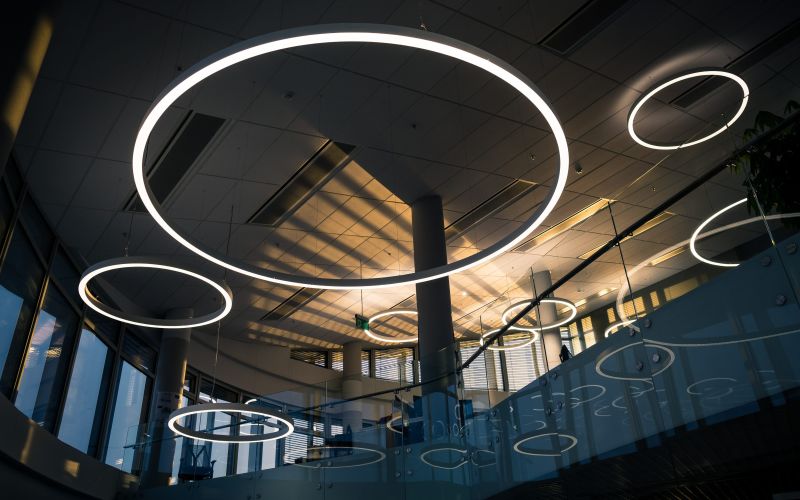
Emergency lighting is not optional. Escape routes, open areas, and final exits need emergency luminaires designed and installed to BS 5266, with a completion certificate and a logbook for the monthly and annual tests that follow. The Health and Safety Executive's guidance on electrical safety at work makes clear that the duty holder - usually the employer occupying the space - carries responsibility for keeping the installation safe, and that starts with a compliant fit-out. We've covered the ongoing testing side in more depth in our guide to emergency lighting and fire alarm testing for Bristol businesses.
Older Buildings: Fit-Outs in Bristol's Converted Office Stock
A meaningful share of Bristol's offices sit in buildings that were never designed to be offices - Georgian townhouses around Queen Square, Victorian warehouses near the harbourside, and listed buildings through the old city. These fit-outs cost more and take longer, and it's worth knowing why before the quotes land.
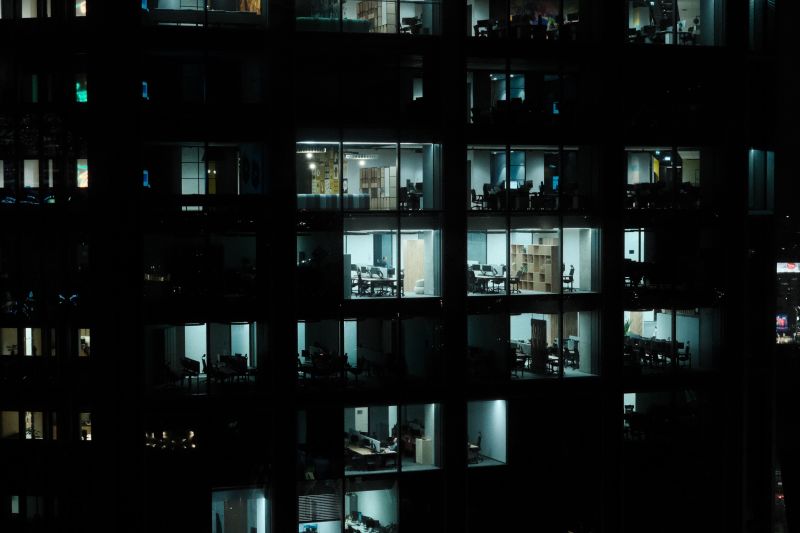
Containment is the main issue. You often can't chase cables into historic fabric, so surface-mounted trunking, floor voids where they exist, and careful routing add labour. In listed buildings, alterations may need listed building consent from Bristol City Council, which adds 8 weeks or more to the programme. Existing wiring is the second issue - if the building's installation predates the current edition of BS 7671, the IET Wiring Regulations, an EICR frequently uncovers remedial work that has to happen before the new fit-out can connect to it. Budget 15-30% above equivalent new-build fit-out rates for heritage stock.
What an Office Fit-Out's Electrics Cost in Bristol
Costs vary with density and specification, but Bristol rates currently look like this:
Small office fit-out (10-20 desks, straightforward Cat B): £8,000 - £20,000.
Medium office (30-60 desks, meeting rooms, kitchen, comms room): £25,000 - £60,000.
Larger or high-spec fit-out (80+ desks, intelligent lighting, UPS-backed comms): £60,000 - £150,000+.
Per-desk rule of thumb: £400 - £800 per desk position for power and data combined, or roughly £40 - £70 per square metre for a standard specification.
One Bristol-specific note on programme: demand for commercial electricians across the South West remains tight - the industry has flagged a national shortfall in qualified electricians for several years, and Bristol's construction pipeline keeps the good firms booked 4-8 weeks ahead. Lock your electrical contractor in early rather than treating it as a late package.
Compliance, Certification, and Handover
Every office fit-out must be designed, installed, and tested to BS 7671, and you should receive an Electrical Installation Certificate (EIC) covering the new work at handover - not a verbal assurance, a certificate. Alongside it: emergency lighting completion certificates, as-installed drawings, and the distribution board schedules your maintenance contractor will need for the next decade.

Using a contractor registered with a body such as NICEIC means the work is periodically assessed against the regulations, which matters to your landlord (most licence-to-alter agreements require certified work), your insurer, and the eventual dilapidations negotiation when you leave. From occupation onwards, the installation then falls into the normal inspection cycle - a commercial EICR typically every 5 years.
---
FAQ
Q: How much do office fit-out electrics cost in Bristol?
A: Roughly £400 - £800 per desk for power and data, or £40 - £70 per square metre for a standard Cat B specification. A 30-60 desk office typically lands between £25,000 and £60,000. Heritage or listed buildings run 15-30% higher.
Q: How long does the electrical work on an office fit-out take?
A: For a small office, 1-2 weeks on site. A medium fit-out is usually 3-6 weeks, coordinated with partitioning and ceilings. If the incoming supply needs upgrading, add 8-16 weeks of DNO lead time - which is why supply capacity should be checked before the lease is signed.
Q: What certification should I get at handover?
A: An Electrical Installation Certificate (EIC) to BS 7671 covering all new work, emergency lighting completion certificates to BS 5266, distribution board schedules, and as-installed drawings. Your landlord's licence to alter will almost always require these.
Q: Do I need the landlord's permission for fit-out electrical work?
A: Yes, in nearly all cases - Cat B alterations are covered by a licence to alter under your lease. In listed buildings around Bristol's old city, alterations to the fabric may also need listed building consent from the council.
---
Ready to work with Bristol Commercial Electricians?
Let's connect! We’re here to help.
Send us a message and we’ll be in touch.
Or give us a call today at 0117 427 8971
Agency Contact Form
More Marketing Tips, Tricks & Tools



EICR Certificates for Bristol Commercial Properties: What Landlords and Business Owners Need to Know